
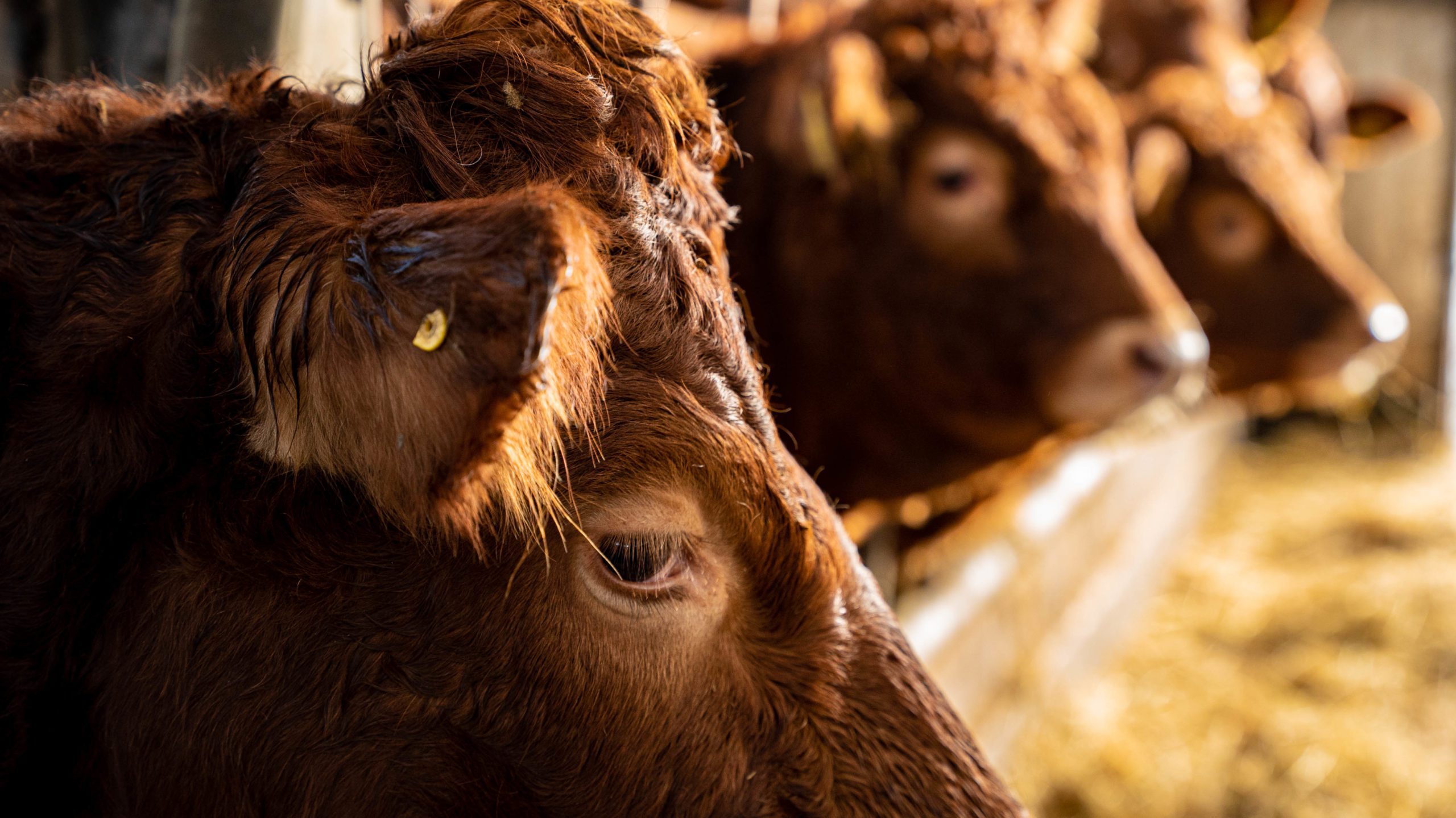
Factories are “anxious” for cattle and there is no better time for farmers to “shop around for prices”, according to the beef chair of the Irish Cattle and Sheep Farmers’ Association (ICSA).
Edmund Graham said he is aware that there are factories which are “doing deals” but also some that are currently “pulling the prices to gain control”.
“My advice to farmers is don’t take the first price you can get – there could be a difference of 10 to 15 cent between different factories.
“We know there are some factories which are quoting low prices – as low as €5.15/kg for steers and €5.20/kg for heifers but they’re not really getting away with it. However at the same time there are also factories which are giving farmers considerably more for their cattle,” Graham said.
According to the ICSA beef chair figures suggest there will be 60,000 less cattle slaughtered this year “with the majority likely to come in the first half of the year”.
“We know that demand is very good across Europe and the rest of the world so why shouldn’t farmers be getting a good price for their beef,” he asked.
Graham has urged factories to pay “decent prices” to farmers which acknowledge the costs associated with finishing cattle.
“The costs are now unbelievable – there has not been an easing of feed costs, farmers are under intense pressures.
“But we can see that trade is good in the marts and that’s partly been driven by farmers who are buying stock for the grass and also the competition from the factory feedlots who need to keep their yards going,” Graham added.
He said one of the key issues facing farmers at this time is the lack of available government support for beef finishers.
“But I suppose then you also have to ask why would the government want to support the beef industry whenever this government wants to reduce the beef industry – it is almost like beef is a dirty word when it is used in the same sentence as global warming and climate change.
Continue com as notícias que estão puxando a atenção dos leitores
“We have heard MInister McConalogue saying he is supporting the beef sector but when he says he is supporting the beef sector what he means is that he is supporting the suckler cow farmer and the beef scheme and rightly so – but that doesn’t do anything for a beef finisher,” the ICSA beef chair said.
One of the key targets set out in the government’s Climate Action Plan 2023 is to encourage “processors and farmers to reduce the average age of slaughter to 24 – 25 months”.
According to Graham in order for the government to meet this objective farmers will need to get “good, decent prices and be able to sell their animals at a young age for a good price”.
“The government needs to realise that if they want farmers to finish cattle at a younger age then the incentive needs to be there and that incentive must be to pay farmers a good price for their livestock,” he added.
❓ Perguntas Frequentes (5 FAQs Técnicos de Campo)
📌 1. Qual a importância de Farmers urged to reject low factory quotes for cattle para o produtor rural?
Garante a otimização de custos, o aumento da produtividade por hectare e o cumprimento das normas sanitárias e ambientais vigentes.
📌 2. Como as recomendações da Embrapa auxiliam em Farmers urged to reject low factory quotes for cattle?
A Embrapa fornece dados validados de pesquisa de campo, reduzindo os riscos operacionais e melhorando a eficiência do uso de insumos.
📌 3. Qual a relação entre Farmers urged to reject low factory quotes for cattle e o crédito no Plano Safra?
Propriedades com processos regulares e CAR ativo possuem pontuação preferencial na concessão de financiamentos agrícolas com juros reduzidos.
📌 4. Como calcular o retorno financeiro em Farmers urged to reject low factory quotes for cattle?
O retorno é medido pelo acompanhamento do Custo Operacional Efetivo (COE) e pelo ganho de produtividade obtido a cada ciclo de produção.
📌 5. Quais as tendências de inovação para Farmers urged to reject low factory quotes for cattle em 2026?
Destacam-se a automação por sensores, o uso de inteligência artificial preditiva e o monitoramento em tempo real por imagens de satélite.


