
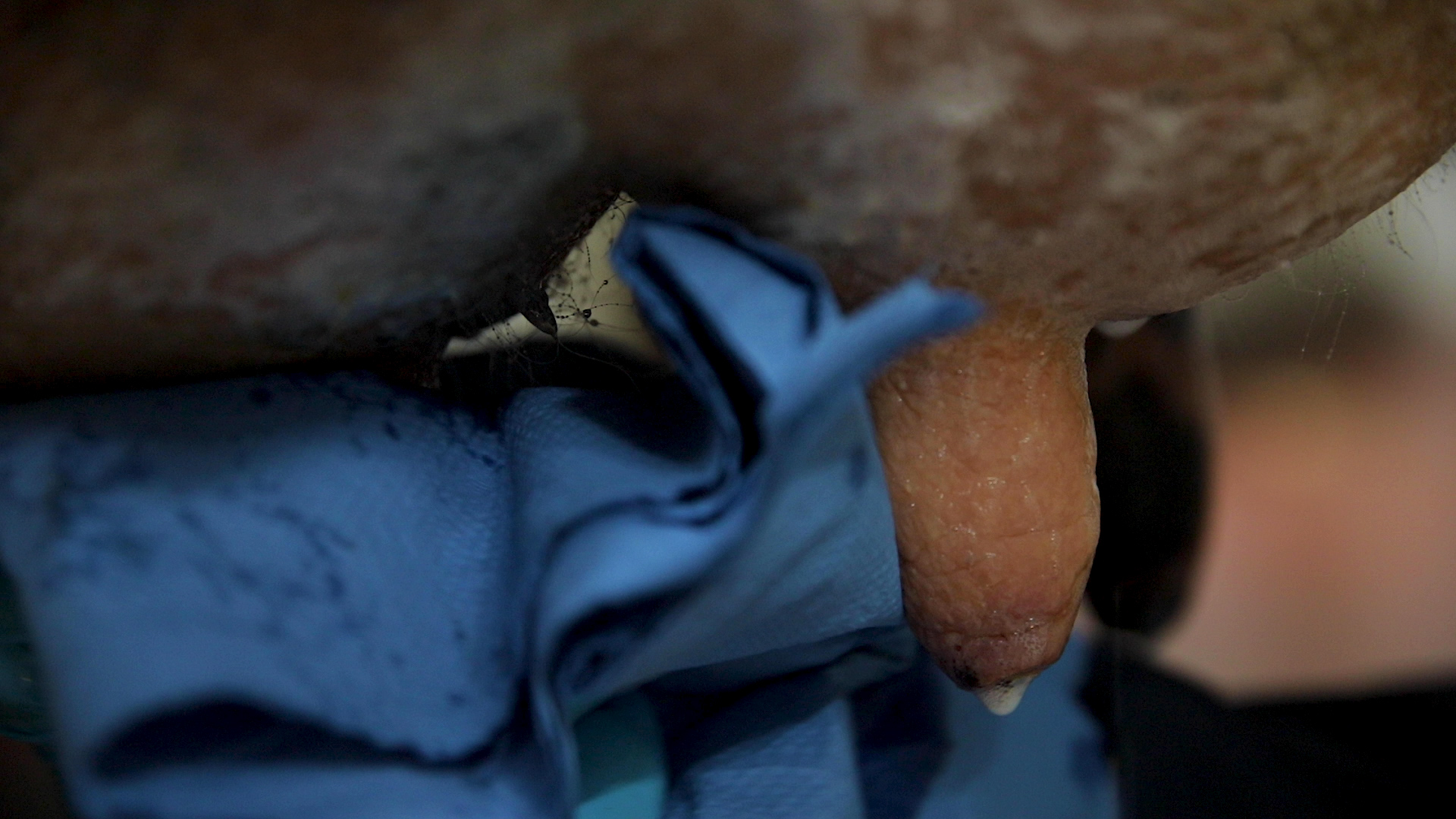

During the early stages of lactation, mastitis can be an issue on some dairy farms, which can have a detrimental impact on production.
Cows are especially at risk of acquiring mastitis in the two weeks either side of calving due to a weakened immune system during these times.
Some recent research conducted by Teagasc has shown that up to 30% of first-calving heifers are calving down with infected quarters.
Mastitis
Ahead of calving – and most likely for a number of weeks post-calving – cows will be lying on cubicle beds, so ensuring that hygiene standards are maintained is important.
Around calving time the workload on farms is greatly increased and this poses a number of challenges, one being negelcting the simple tasks of keeping areas clean.
You should continue to ensure that cubicles are clean and dry; they should be cleaned and limed twice a day.
Unlike the cows, your heifers do not have the added protection of a teat sealer to prevent infection.
For this reason, you should pay particular attention to the hygiene of cubicles used by or for the heifers.
Ideally, when they were housed their tails would have been clipped, but if this hasn’t been done you should do so once they begin milk production.
Bacteria
It is also important to continue to keep straw bedding fresh in calving pens, as contaminated straw beds are a prime source of environmental mastitis bacteria.
Continue com as notícias que estão puxando a atenção dos leitores
You should also, where possible, complete a California mastitis test (CMT) on all cows and heifers before allowing their milk to enter the tank.
The CMT can be a useful tool to identify cows with high cell counts or subclinical cases of mastitis.
Ideally you should keep keep colostrum cows in a separate group and milk them last.
Not only does this reduce the chance of a mistake happening, it also means you can spend more time looking at or monitoring cows for any signs of ill health or mastitis.
❓ Perguntas Frequentes (5 FAQs Técnicos de Campo)
📌 1. Qual a importância de Ensuring that hygiene standards are maintained para o produtor rural?
Garante a otimização de custos, o aumento da produtividade por hectare e o cumprimento das normas sanitárias e ambientais vigentes.
📌 2. Como as recomendações da Embrapa auxiliam em Ensuring that hygiene standards are maintained?
A Embrapa fornece dados validados de pesquisa de campo, reduzindo os riscos operacionais e melhorando a eficiência do uso de insumos.
📌 3. Qual a relação entre Ensuring that hygiene standards are maintained e o crédito no Plano Safra?
Propriedades com processos regulares e CAR ativo possuem pontuação preferencial na concessão de financiamentos agrícolas com juros reduzidos.
📌 4. Como calcular o retorno financeiro em Ensuring that hygiene standards are maintained?
O retorno é medido pelo acompanhamento do Custo Operacional Efetivo (COE) e pelo ganho de produtividade obtido a cada ciclo de produção.
📌 5. Quais as tendências de inovação para Ensuring that hygiene standards are maintained em 2026?
Destacam-se a automação por sensores, o uso de inteligência artificial preditiva e o monitoramento em tempo real por imagens de satélite.


