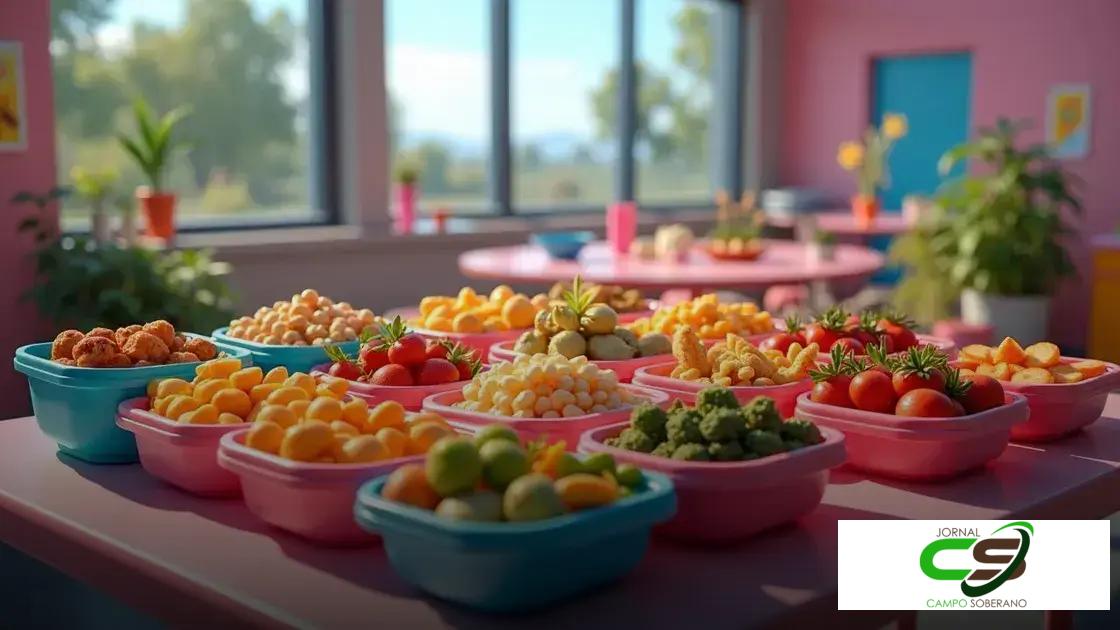
Os recipientes de cafeteria são soluções práticas e versáteis para armazenar alimentos, mantendo sua frescura e sabor. Feitos de materiais duráveis como plástico, vidro e aço inoxidável, eles vêm em vários tamanhos e são fáceis de limpar. Além de serem excelentes para a preparação de refeições e armazenamento de sobras, sua escolha sustentável ajuda a reduzir o impacto ambiental.
Thank you for reading this post, don't forget to subscribe!Cafeteria containers play a vital role in keeping food fresh and tasty. Whether you’re a busy professional or a meal prep enthusiast, using the right container can make all the difference. In this article, we will delve into the various types of cafeteria containers, their benefits, and how to maintain them. We’ll also explore creative ways to use them beyond just storage.
Além disso, confira abaixo esses posts:
Preço do Bezerro Nelore e Mestiço Atualizado
Preço da vaca Nelore e Mestiça Atualizado
Além disso, confira abaixo esses posts:
What is a Cafeteria Container?
A cafeteria container is specifically designed for storing and serving food in cafeteria settings. These containers come in various sizes and shapes, making them versatile for different types of meals. They are commonly made of durable materials to withstand daily use.
Generally, cafeteria containers feature lids that help to keep food fresh and prevent spills. These containers not only ensure food safety but also aid in maintaining the quality and flavor of the meals served.
Many cafeteria containers are stackable, which allows for efficient storage and easy transportation. This feature is particularly beneficial in busy cafeteria environments where space may be limited.
In summary, cafeteria containers are an essential tool for food service operations, providing practical solutions for food preservation and presentation.
Benefits of Using Cafeteria Containers
Using cafeteria containers comes with many advantages that can enhance food storage and service. First, they help keep food fresh longer. This means that meals maintain their flavor and quality, reducing food waste.
Another benefit is their easy-to-use design. Most cafeteria containers have airtight lids that protect food from air exposure and contaminants. This feature is essential for maintaining hygiene in food service.
Additionally, cafeteria containers are very versatile. They can be used for various food types, including hot meals, salads, and desserts. This flexibility allows kitchens to prepare diverse menus without the need for different storage solutions.
Cafeteria containers also offer convenience with their stackable design. This feature saves space in storage areas, making it easier for staff to organize and access the containers as needed.
Furthermore, many cafeteria containers are made from durable materials, ensuring they can withstand the rigors of daily use. This durability translates into long-term savings, as you will need to replace them less frequently.
Finally, cafeteria containers are often designed to be microwave and dishwasher safe, which simplifies the cleaning and reheating processes. This ease of maintenance saves time, allowing staff to focus on serving customers.
Best Materials for Cafeteria Containers
When choosing cafeteria containers, the material is crucial for maintaining food quality and ensuring durability. Here are the best materials to consider:
1. Plastic: This is a popular choice due to its lightweight nature and cost-effectiveness. High-quality plastic containers are usually BPA-free and can go in the microwave and dishwasher. They are perfect for schools and businesses because they resist breaking and are easy to clean.
2. Stainless Steel: These containers are known for their durability and resistance to rust and corrosion. Stainless steel is perfect for hot foods as it maintains temperature well. They can be pricier but are long-lasting and environmentally friendly.
3. Glass: Glass containers are another excellent choice as they do not absorb odors or stains. They are safe for microwave and dishwasher use and keep food fresh longer. However, glass can be heavy and more prone to breakage.
4. Melamine: This material is popular for cafeteria serving dishes because it is lightweight and resistant to chips and cracks. Melamine containers come in various colors and designs, adding a nice touch to food presentation.
Each material has its advantages, and the choice depends on factors like the type of food, storage needs, and budget. By selecting the right materials, you can ensure optimal performance from your cafeteria containers.
How to Choose the Right Size
Choosing the right size of cafeteria containers is important for effective food storage and service. Here are some tips to help you select the appropriate size:
1. Evaluate Your Needs: Consider the type of food you will store. For example, hot meals may require larger containers, while salads or sides might fit well in smaller ones. Plan based on the portions you typically serve.
2. Consider Serving Sizes: Understand the average serving sizes for your meals. If you serve large groups, opt for bigger containers to minimize the need for multiple servings. This can make serving more efficient.
3. Stackability: Choose sizes that can easily stack on top of each other. This helps save space in storage areas and makes it easier to organize your containers.
4. Versatility: Some containers come with interchangeable lids and bases. This flexibility allows you to adjust the container size depending on the meal, reducing the need for multiple sizes.
5. Storage Space: Before purchasing, measure your storage area. Make sure the containers you choose will fit without overcrowding your kitchen or cafeteria space.
6. Future Needs: Anticipate any changes in your meal prep or serving patterns. If you’re planning to increase your service size, consider larger containers for future use.
By taking these factors into account, you can make a well-informed decision about the sizes of cafeteria containers that will work best for your needs.
Cleaning and Maintenance Tips
Proper cleaning and maintenance of cafeteria containers are essential to ensure food safety and longevity. Here are some effective tips:
1. Wash Immediately: Clean your cafeteria containers right after use. This prevents stains and odors from setting in, making them easier to wash.
2. Use Warm, Soapy Water: For most containers, warm, soapy water works best. Use a soft sponge or cloth to scrub without scratching the surface.
3. Avoid Abrasive Cleaners: Steer clear of harsh chemicals or abrasives. These can damage the material and affect the container’s ability to keep food fresh.
4. Rinse Thoroughly: After washing, be sure to rinse all soap residues away. Any leftover soap can transfer to your food and alter its taste.
5. Dry Completely: Allow your containers to air dry completely or wipe them down with a clean towel before storing them. This helps prevent mold or mildew growth.
6. Check for Damage: Regularly inspect your cafeteria containers for cracks or wear. Damaged containers can harbor bacteria and may need to be replaced.
7. Use Sanitizing Solutions: For additional safety, use a sanitizing solution for your containers occasionally. This helps eliminate any lingering bacteria.
8. Store Properly: Store containers in a clean, dry place. Stack them carefully to avoid scratches and keep them organized for easy access.
Creative Ways to Use Cafeteria Containers
Cafeteria containers are not just for storing food; they offer many creative uses that can enhance your kitchen and organization. Here are some innovative ways to utilize these versatile containers:
1. Meal Prep: Use cafeteria containers to portion out individual meals for the week. This makes it easy to grab a healthy lunch on busy days, while also keeping your diet on track.
2. Snack Station: Organize snacks by filling different containers with fruits, nuts, or granola bars. Label each container for quick access and to keep your snacks tidy.
3. Craft Supplies Storage: Cafeteria containers are perfect for organizing craft supplies like beads, buttons, and ribbons. Keep your materials easily accessible for your next project.
4. Lunch Box: Transform cafeteria containers into lunch boxes for school or work. They are spacious and come with secure lids to prevent spills, making them ideal for transporting food.
5. Planting Containers: Some cafeteria containers can be used for small herb gardens. Use them to grow herbs on a windowsill; they’re great for saving space and add freshness to your meals.
6. Pet Food Storage: Keep pet food fresh and organized by using larger cafeteria containers. This protects the food from moisture and pests, while also making it easy to scoop out portions.
7. Leftover Storage: After meals, store leftovers in appropriately sized cafeteria containers. They help keep food fresh and make reheating easy.
8. DIY Kits: Assemble DIY kits for hobbies or projects. Use cafeteria containers to group all the necessary items together, so you’re always ready to start crafting or building.
Comparison with Other Food Storage Options
When it comes to food storage, there are various options available, each with its pros and cons. Here, we compare cafeteria containers with other popular food storage solutions:
1. Glass Containers: Glass is a great option because it doesn’t absorb odors or stains. However, they can be heavier and more prone to breaking than cafeteria containers. Cafeteria containers, on the other hand, are typically lighter and more durable for frequent use.
2. Plastic Bags: Plastic bags are convenient for storage and transport, but they do not offer the same level of protection against squishing or damage. Cafeteria containers provide more structure and can preserve the freshness of food better than plastic bags.
3. Tupperware: While Tupperware is well-known for food storage, cafeteria containers often come in larger sizes, making them ideal for bulk servings. Tupperware can be more expensive, especially in sets, while cafeteria containers are generally budget-friendly.
4. Foil Containers: Foil containers are great for single-use but do not offer reusability. Cafeteria containers, when cleaned properly, can be used time and again, making them a more sustainable choice for regular use.
5. Vacuum Sealed Containers: These containers are excellent for extending food shelf life by removing air. Still, they can come with a higher price tag and complexity. Cafeteria containers are simpler to use, making them more accessible for daily meal prep.
This comparison highlights how cafeteria containers balance convenience, durability, and affordability, making them a practical choice in the world of food storage.
Sustainability in Cafeteria Container Choices
When selecting cafeteria containers, sustainability is an important factor to consider. Here are some aspects that highlight eco-friendly choices:
1. Material Choices: Opt for containers made from recycled or recyclable materials. Look for options that are BPA-free and made from safe plastics or sustainable materials like glass or stainless steel.
2. Durability: Choose containers that are built to last. Durable cafeteria containers reduce the need for frequent replacements, thus minimizing waste over time.
3. Reusability: Select containers designed for multiple uses. By reusing your cafeteria containers, you can significantly cut down on single-use plastic waste.
4. Local Sourcing: Whenever possible, purchase cafeteria containers from local manufacturers. This helps to reduce the carbon footprint associated with shipping products over long distances.
5. Proper Disposal: Ensure you know how to dispose of your containers properly at the end of their life cycle. Check local recycling guidelines for information on how to recycle specific materials correctly.
6. Eco-Friendly Brands: Research brands that prioritize environmental responsibility. Some companies focus on producing sustainable food storage options and may use innovative practices to reduce their impact on the planet.
By considering these sustainable practices, you can make informed choices that benefit both your kitchen and the environment.
Embracing Cafeteria Containers for Freshness and Flavor
Cafeteria containers serve as a versatile and practical solution for food storage, keeping meals fresh and flavorful.
By selecting the right size and material, practicing effective cleaning and maintenance, and exploring creative ways to use them, you can maximize their benefits.
Furthermore, comparing cafeteria containers with other food storage options highlights their unique advantages, and considering sustainability in your choices ensures an eco-friendly approach.
Overall, incorporating cafeteria containers into your kitchen routine can greatly enhance your food storage experience while contributing positively to the environment.
FAQ – Perguntas frequentes sobre recipientes de cafeteria
O que é um recipiente de cafeteria?
Um recipiente de cafeteria é um container projetado para armazenar e servir alimentos em ambientes de refeitório, oferecendo praticidade e funcionalidade.
Quais são os benefícios dos recipientes de cafeteria?
Os recipientes de cafeteria ajudam a manter os alimentos frescos, são fáceis de limpar e disponíveis em vários tamanhos, atendendo a diferentes necessidades de armazenamento.
Quais materiais são melhores para recipientes de cafeteria?
Os melhores materiais incluem plástico de qualidade, vidro e aço inoxidável, cada um com suas vantagens em durabilidade e segurança alimentar.
Como escolho o tamanho certo do recipiente?
Considere o tipo de alimento, o tamanho das porções servidas e o espaço de armazenamento disponível ao escolher o tamanho mais adequado dos recipientes.
Quais são as melhores práticas de limpeza e manutenção?
Lave os recipientes imediatamente após o uso com água morna e sabão, evite produtos abrasivos e certifique-se de secá-los completamente antes do armazenamento.
Como reciclar ou descartar recipientes de cafeteria?
Verifique as diretrizes locais de reciclagem para saber como descartar recipientes com segurança, optando sempre por recicláveis sempre que possível.
Saiba Mais Sobre Dr. João Maria
Dr. João Silva é um renomado zootecnista especializado em pecuária de leite, com mais de 2 Décadas de experiência no setor. Com doutorado pela Universidade Federal de Viçosa e diversas certificações, Também é autor de inúmeros artigos científicos e livros sobre manejo e produção de leite.
Dr. João é reconhecido por sua contribuição significativa à indústria e seu compromisso com a qualidade e a inovação na produção leiteira.