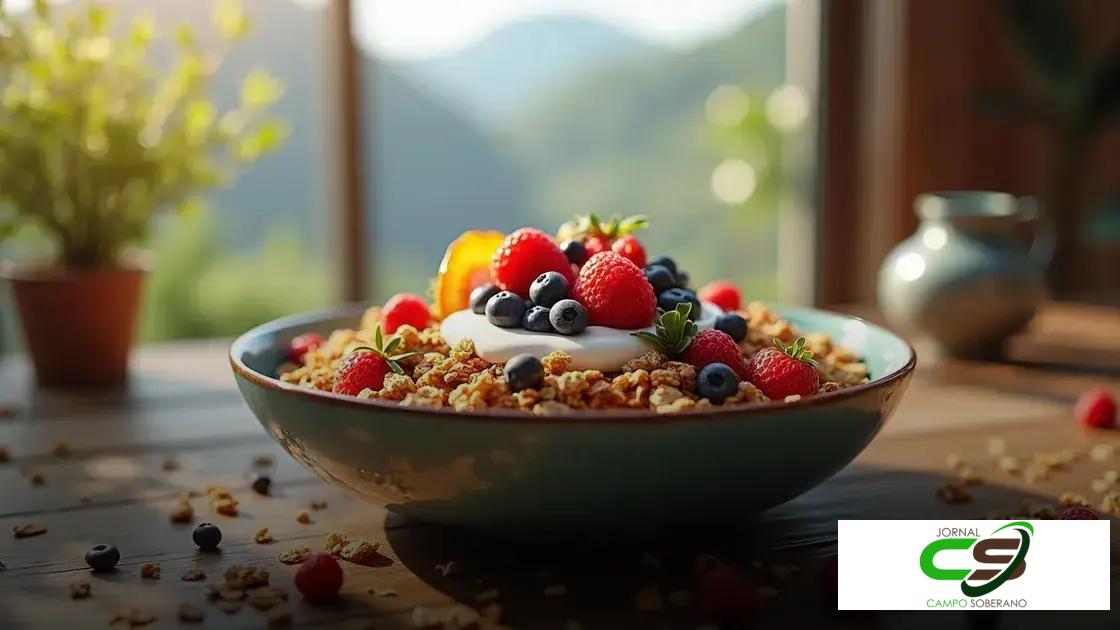
Granola is a versatile and nutritious option that can be enjoyed as a breakfast choice or a snack. With benefits such as being high in fiber and protein, granola can be used creatively in various recipes, from energy bites to parfaits. Proper storage in an airtight container and understanding its ingredients are key to maintaining freshness and enjoying its benefits.
Thank you for reading this post, don't forget to subscribe!Granola is more than just a breakfast food; it’s a lifestyle choice that promotes health and wellness. Made from oats, nuts, and sweeteners, granola offers a delightful crunch that can be enjoyed in many ways. In this article, we’ll explore the fascinating world of granola, revealing its nutritional benefits, delicious recipes, and tips on choosing the best granola for your health needs.
Além disso, confira abaixo esses posts:
Preço do Bezerro Nelore e Mestiço Atualizado
Preço da vaca Nelore e Mestiça Atualizado
Além disso, confira abaixo esses posts:
What is Granola?
Granola is a delicious food that many people enjoy, especially in the mornings. It is made from oats, which are often mixed with honey or other sweeteners, nuts, and sometimes dried fruits. This mixture is then baked until it is crispy. This breakfast option is not only tasty but also very versatile.
Granola is usually eaten in a bowl with milk or yogurt, but it can also be added to smoothies or used as a topping for various dishes. The <strong>crunchy texture</strong> is what makes granola so satisfying. It can also be made at home, so you can customize it to your liking.
Many people appreciate granola for its health benefits. Since it is packed with ingredients like nuts and seeds, granola is high in fiber and protein. This helps you feel full and gives you the energy you need to start your day.
Types of Granola
There are many types of granola available. Some are sweetened with maple syrup or agave nectar, while others might be savory with added spices. There are also gluten-free options made with alternative grains. With so many varieties, everyone can find a granola they enjoy.
Granola bars have also become popular. These on-the-go snacks usually contain the same ingredients as traditional granola but are pressed into bar form. They are easy to take with you to work or school.
In summary, granola is a nutritious and tasty food option that can fit into many diets. Its mix of oats, nuts, and sweeteners makes it a great choice for breakfast or snacks, fueling your body for the day ahead.
Nutritional Benefits of Granola
Granola is not just a tasty breakfast option; it also packs a punch when it comes to nutritional benefits. Let’s explore some of the key advantages of adding granola to your diet.
High in Fiber
Granola is rich in fiber, which is essential for healthy digestion. A diet high in fiber can help keep your digestive system running smoothly and can prevent constipation. This helps you feel full longer, making it easier to maintain a healthy weight.
Source of Healthy Fats
Nuts and seeds are often included in granola, providing healthy fats that are vital for your body. These fats support heart health and can improve cholesterol levels. They also offer energy and are important for brain function.
Protein Power
Granola contains protein from the nuts and seeds, which helps in muscle repair and growth. Including protein in your breakfast can keep you energized throughout the day and help curb cravings.
Vitamins and Minerals
Granola is typically filled with a variety of nutrient-dense ingredients. This means it provides essential vitamins and minerals like magnesium, zinc, and B vitamins, which are important for various body functions, including metabolism and immune health.
Low Glycemic Index
The ingredients in granola often have a low glycemic index, meaning they can stabilize blood sugar levels. This can lead to fewer energy crashes during the day, keeping you feeling alert and focused.
Antioxidants
Dried fruits commonly found in granola, such as raisins, cranberries, and apricots, are rich in antioxidants. These compounds help protect the body from oxidative stress and may reduce the risk of chronic diseases.
Incorporating granola into your meals can significantly enhance your overall nutrition, making it a smart choice for breakfast or snacks. By choosing granola wisely, you can enjoy a delicious yet healthy option that supports your lifestyle.
Healthy Recipes with Granola
Granola can be used in many delicious and healthy recipes. Here are some great ideas to get you started on incorporating granola into your meals.
Granola Yogurt Parfait
For a quick breakfast, layer granola with yogurt and fresh fruits. Start with a cup of yogurt, add a layer of granola, then top with strawberries and blueberries. Repeat the layers and finish with a drizzle of honey.
Granola Smoothie Bowl
Blend your favorite fruits like bananas and spinach with almond milk. Pour into a bowl and top with granola, sliced fruits, and chia seeds for added texture and nutrition.
Granola Bars
Mix rolled oats, peanut butter, honey, and your choice of nuts. Press into a baking dish and refrigerate until firm. Cut into bars for healthy snacks on the go!
Granola Trail Mix
Create a simple trail mix by combining granola with nuts, seeds, and dried fruit. This makes for a perfect energy-boosting snack while hiking or during the day.
Granola Pancakes
Incorporate granola into pancake batter for added crunch. Simply add a cup of granola to your pancake mix and cook as usual. Top with maple syrup and fresh fruit.
Granola Baked Apples
Core apples and fill them with a mixture of granola, cinnamon, and a bit of honey. Bake until the apples are tender. This makes for a tasty dessert that’s healthy!
Granola Cookies
Make granola cookies by mixing oats, flour, and granola with chocolate chips. Bake at 350°F until golden brown. Enjoy a delightful treat that’s also nutritious!
These recipes showcase the versatility of granola, allowing you to enjoy it for any meal or snack while boosting your nutrition.
How to Choose the Right Granola
Choosing the right granola can enhance your breakfast or snacks. Here are some tips to help you make the best choice.
Check the Ingredients
Always read the label carefully. Look for whole grains, like oats, as the first ingredient. Choose granola that includes nuts, seeds, and dried fruits for added nutrition.
Watch Out for Added Sugars
Many granolas are high in added sugars. Aim for products with less than 10 grams of sugar per serving. Natural sweeteners like honey or maple syrup are better options.
Look at the Fiber Content
High fiber content is a good indicator of a healthy granola. Aim for at least 3 grams of fiber per serving. Fiber helps keep you full and supports digestion.
Check for Protein
Granola can be a great source of protein. Look for options with at least 5 grams of protein per serving. This can help you feel satisfied longer.
Consider Portion Size
Portion sizes can vary. Always check how much is considered a serving to help manage your calorie intake. A typical serving is about 1/4 to 1/2 cup.
Choose Whole Grains
Whole grains are more nutritious than refined grains. Look for granolas labeled as made with whole grains for better health benefits.
DIY Granola
Making your own granola at home is an excellent option. You can control the ingredients, sweetness, and flavor. Mix oats, nuts, seeds, and your choice of sweeteners, then bake!
By following these tips, you can select the granola that best fits your dietary needs and enjoy its benefits every day!
Granola vs. Other Breakfast Options
Granola is a popular breakfast choice, but how does it stack up against other breakfast options? Let’s compare granola to different mornings meals to see the advantages it offers.
Granola vs. Cereal
Cereal often contains high levels of sugar and artificial ingredients. In contrast, granola can be made with wholesome ingredients like oats, nuts, and seeds. Also, granola typically has more fiber and protein, which can help you feel full.
Granola vs. Toast
While toast can be a quick breakfast, it’s often low in nutrients unless you use whole grain or add toppings. Granola, especially when combined with yogurt or milk, offers a balanced mix of carbs, protein, and healthy fats.
Granola vs. Smoothies
Smoothies can be very nutritious but may lack the crunch that many people enjoy in their breakfast. Adding granola to a smoothie bowl can provide that texture, while also contributing fiber and protein.
Granola vs. Pancakes
Pancakes can be high in simple carbs and sugars, especially if topped with syrup. Granola, on the other hand, is typically made from whole ingredients, offering more nutrients. Pairing granola with yogurt can create a more wholesome alternative.
Granola vs. Eggs
Eggs are nutritious and protein-rich but require cooking. Granola is an easy grab-and-go option. Combining granola with eggs in your breakfast routine can balance convenience with nutrition.
Overall Benefits of Granola
Granola not only provides nutrition and energy but also versatility. It can be enjoyed in different ways, whether as a topping, in bars, or alone. This makes granola a valuable option in comparison to many other breakfast choices.
Myths About Granola
There are many myths about granola that can confuse consumers. Let’s clear up some of the common misunderstandings.
Myth 1: Granola is Always Healthy
While granola can be a healthy choice, not all granolas are created equal. Many store-bought options are high in sugars and unhealthy fats. Always check the label to understand the ingredients.
Myth 2: Granola is Just for Breakfast
Many people think granola is only for breakfast. However, it can be used in a variety of ways! Granola makes a great snack, can be mixed into salads, or used as a topping for desserts.
Myth 3: Granola is Low in Calories
Granola can be calorie-dense due to its ingredients, like nuts and sweeteners. While it does offer nutrition, it’s important to watch your portion sizes to avoid consuming too many calories.
Myth 4: All Granola is Gluten-Free
Not all granolas are gluten-free. Some brands use ingredients that contain gluten. If you have a gluten sensitivity, always read the label or look for granola specifically marked as gluten-free.
Myth 5: Granola is Fat-Free
Granola often contains healthy fats from nuts and seeds, which are beneficial. However, this means that granola is not fat-free. Healthy fats are good for you, but the fat content should still be monitored.
Myth 6: Granola is Only for Health Nuts
Granola can be enjoyed by anyone, not just those focused on health. It’s a tasty addition to many diets and can be a fun way to add crunch and flavor to various meals.
By understanding these myths, you can make better choices about how to include granola in your diet while enjoying its benefits!
Storing Granola for Freshness
Storing granola properly is essential to maintaining its freshness and taste. Here are some tips to help you store your granola effectively.
Use an Airtight Container
One of the best ways to keep granola fresh is by storing it in an airtight container. This helps prevent air and moisture from getting in, which can cause granola to become stale or soggy.
Store in a Cool, Dry Place
Keep your granola in a cool, dry place, away from sunlight. A pantry or cupboard is ideal. Avoid storing granola near the stove or oven, where it might get warm.
Refrigeration for Long-Term Storage
If you want to store granola for an extended period, you can keep it in the refrigerator. This is especially useful if your granola contains ingredients like dried fruits or more perishable elements. Just ensure it is sealed tightly to prevent moisture.
Freezing Granola
You can also freeze granola for even longer storage. Place it in a freezer-safe bag or container. When you’re ready to eat it, simply thaw it in the refrigerator.
Check for Freshness
Before consuming granola that has been stored for a while, check for freshness. If you notice any unusual smells, off colors, or changes in texture, it’s best to discard it.
Batch Size
Consider making smaller batches of granola to keep it fresher longer. This way, you can enjoy granola at its best without worrying about it becoming stale.
By following these storage tips, you can enjoy your granola at its freshest and most delicious!
Creative Ways to Use Granola in Snacks
Granola is a versatile ingredient that can elevate your snacking game. Here are some creative ways to use granola in your snacks.
Granola Energy Bites
Mix granola with nut butter, honey, and mini chocolate chips. Roll the mixture into small balls and refrigerate until firm. These energy bites are perfect for an afternoon pick-me-up!
Granola Fruit Bars
Create homemade snack bars by combining granola with mashed bananas and oats. Press the mixture into a baking dish and bake until golden. Cut into bars for a healthy snack.
Granola-Crusted Yogurt Cups
Layer yogurt with granola and your favorite fruits in a cup. This yogurt parfait not only tastes great but looks beautiful for a snack at home or on the go.
Granola Trail Mix
Mix granola with nuts, seeds, and dried fruit for a simple trail mix. This combination provides energy and is great for hiking or road trips.
Granola-Stuffed Dates
Take pitted dates and fill them with a mix of granola and cream cheese or nut butter. This makes a delicious and nutritious snack that’s easy to prepare.
Granola Chocolate Clusters
Melt dark chocolate and stir in granola until well coated. Spoon the mixture onto a baking sheet and let it cool. These chocolate clusters are a sweet treat that satisfies your cravings.
Granola Salad Topping
Sprinkle granola on top of salads for an added crunch. This works especially well with fruit salads or green salads with nuts.
Using granola in these creative ways can add flavor, texture, and nutrition to your snacks!
In Summary: The Versatility of Granola
Granola is more than just a breakfast option; it is a versatile ingredient that offers numerous benefits and creative uses in snacks. From understanding how to choose the right granola to dispelling myths about it, we have explored the many facets of granola that make it a fantastic addition to a healthy lifestyle.
With delicious recipes, smart storage tips, and innovative ways to incorporate granola into your diet, you can enjoy its nutritional perks while keeping your meals exciting. Whether you are snacking on granola energy bites or sprucing up your salads, there are countless opportunities to benefit from this nutritious food.
As you embark on your granola journey, remember its potential to fuel your day and elevate your meals!
FAQ – Perguntas frequentes sobre granola
Granola é uma opção saudável para o café da manhã?
Sim, granola pode ser uma opção saudável, especialmente se feita com ingredientes integrais e pouco açúcar. Verifique sempre o rótulo.
Como posso usar granola em lanches?
Granola pode ser usada em vários lanches, como em barras de energia, misturas de frutas, parfaits de iogurte e até como cobertura para sobremesas.
Granola é alta em calorias? Devo me preocupar?
Granola pode ser calórica devido aos ingredientes, mas em porções controladas, pode ser uma adição saudável à dieta.
Granola é gluten-free?
Nem toda granola é gluten-free. Para quem tem sensibilidade ao glúten, é importante procurar granolas especificamente rotuladas como gluten-free.
Qual a melhor maneira de armazenar granola?
Armazene granola em um recipiente hermético em um local fresco e seco para manter a frescura. Para armazenamento a longo prazo, você pode congelar.
Granola é apenas para quem quer emagrecer?
Não, granola é uma opção deliciosa para todos! Aprecie-a em diversas formas, independentemente de suas metas de saúde.
Saiba Mais Sobre Dr. João Maria
Dr. João Silva é um renomado zootecnista especializado em pecuária de leite, com mais de 2 Décadas de experiência no setor. Com doutorado pela Universidade Federal de Viçosa e diversas certificações, Também é autor de inúmeros artigos científicos e livros sobre manejo e produção de leite.
Dr. João é reconhecido por sua contribuição significativa à indústria e seu compromisso com a qualidade e a inovação na produção leiteira.