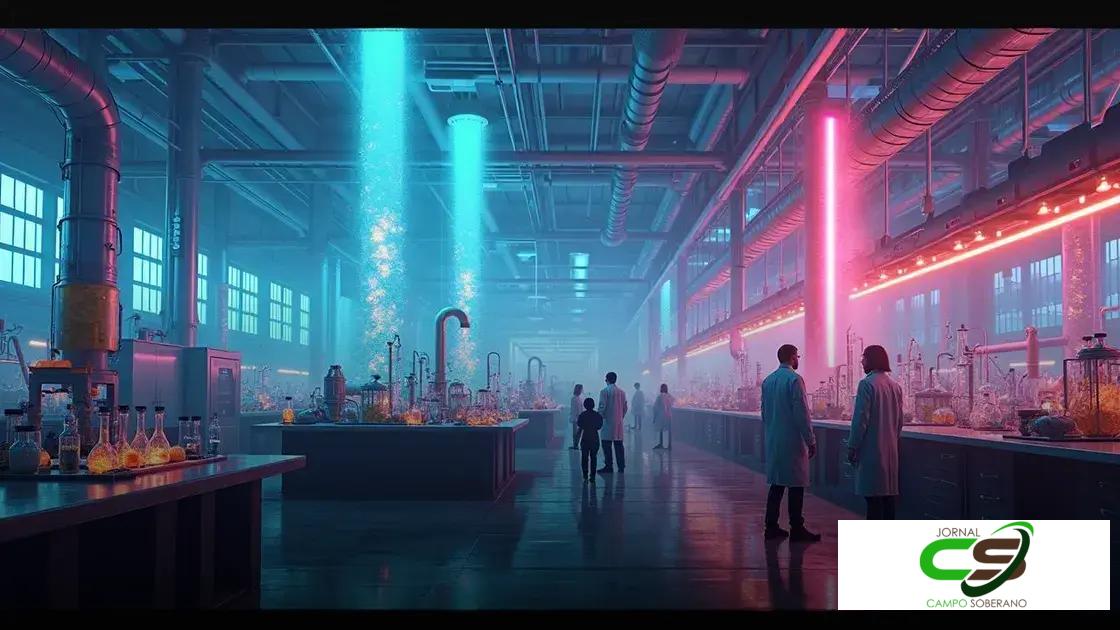
O Ethanol ESALQ é um projeto inovador que se destaca na pesquisa e produção de etanol sustentável, focando em práticas como engenharia genética de microrganismos, otimização de processos, e colaboração com agricultores locais para promover a sustentabilidade e impulsionar a economia regional.
Thank you for reading this post, don't forget to subscribe!Ethanol ESALQ has become a leading force in the field of sustainable energy solutions. This post highlights the groundbreaking research conducted at ESALQ, focusing on innovative practices and advancements in biofuel production. Understanding the benefits of ethanol and its role in sustainability is crucial as we navigate the future of energy sources. Join us in exploring the fascinating developments and significant contributions of Ethanol ESALQ to the world of renewable energy.
Além disso, confira abaixo esses posts:
Preço do Bezerro Nelore e Mestiço Atualizado
Preço da vaca Nelore e Mestiça Atualizado
Além disso, confira abaixo esses posts:
What is Ethanol ESALQ?
Ethanol ESALQ refers to the groundbreaking research and development efforts undertaken by the Escola Superior de Agricultura Luiz de Queiroz (ESALQ) at the University of São Paulo. This institution has earned a reputation for its dedication to the study of ethanol production, particularly from renewable sources such as sugarcane. Ethanol, a biofuel that serves as a cleaner alternative to fossil fuels, plays a crucial role in sustainable energy development.
The Importance of Ethanol
Ethanol is primarily derived from biomass and can significantly reduce greenhouse gas emissions when used as a fuel. The work at ESALQ focuses not only on improving the efficiency of ethanol production but also on developing new methods that minimize environmental impact.
Research Focus at ESALQ
The research conducted at ESALQ encompasses various aspects of ethanol technology, including fermentation processes, genetic improvements of sugarcane, and the use of waste materials to enhance sustainability. This multi-faceted approach ensures that the institution remains at the forefront of ethanol research.
Collaborative Efforts
ESALQ collaborates with various industries, governmental entities, and other research institutions to share knowledge and develop best practices in ethanol production. By fostering partnerships, ESALQ seeks to address global energy challenges and promote the widespread adoption of biofuels.
History and Development of Ethanol at ESALQ
The history of ethanol research at ESALQ began in the early 20th century. As concerns about fossil fuel dependency grew, ESALQ recognized the potential of ethanol as a renewable energy source. In the 1970s, during the first oil crisis, Brazil launched its program to use ethanol from sugarcane as a fuel, which significantly boosted research efforts.
Early Developments
ESALQ played a pivotal role in developing fermentation technologies that improved ethanol production efficiency. The research included studying the fermentation process, optimizing sugarcane genetics for better yields, and finding ways to reduce production costs.
Expansion and Innovation
As technology progressed, ESALQ expanded its focus to include advanced bioprocessing techniques. This allowed for the extraction of higher ethanol yields and improved sustainability. The introduction of molecular biology in the 1990s opened up new avenues for research at the institution.
Legacy and Collaboration
The legacy of ethanol research at ESALQ includes partnerships with governmental and industry players, enhancing the practical applications of their findings. These collaborations have led to significant improvements in Brazil’s biofuel policies.
Research Innovations in Ethanol Production
Research innovations in ethanol production at ESALQ have transformed the biofuel landscape. Scientists and researchers are focused on improving the efficiency and sustainability of ethanol extraction processes. One major innovation is the development of engineered yeast strains that can produce higher yields of ethanol from sugarcane.
Biotechnological Advancements
Biotechnology has played a significant role in enhancing ethanol production. By using genetic engineering, researchers have created microorganisms that can ferment sugarcane more effectively. This advancement allows producers to maximize ethanol output while minimizing costs.
Alternative Feedstocks
ESALQ is also exploring alternative feedstocks for ethanol production, such as lignocellulosic materials. These materials come from agricultural waste and can provide a sustainable source of energy while reducing the competition for food crops.
Process Optimization
Process optimization techniques, such as continuous fermentation, are being researched to streamline ethanol production. This method keeps the fermentation process running smoothly, increasing efficiency and reducing time and labor costs.
Sustainability Fleets
Innovative technologies are being developed to create sustainable fleets for ethanol production. These fleets can help in utilizing renewable resources and minimize the environmental impact associated with traditional biofuel production methods.
Sustainability Practices in Ethanol Production
Sustainability practices in ethanol production are essential for reducing environmental impact while maximizing energy output. At ESALQ, research focuses on methods that ensure the production of ethanol is not only efficient but also eco-friendly.
Use of Renewable Resources
One of the main sustainability practices includes the use of renewable resources like sugarcane. This crop absorbs carbon dioxide and reduces greenhouse gases, making it a preferable choice for ethanol production.
Waste Utilization
Another practice is the utilization of waste materials. By using agricultural residues and by-products, the ethanol production process can minimize waste and promote a circular economy. For instance, bagasse, the fibrous material left after sugarcane is processed, can be repurposed for energy generation.
Water Management
ESALQ emphasizes efficient water management in production processes. By adopting techniques that reduce water usage in fermentation and cleaning, facilities can lower their overall water footprint.
Energy Efficiency
Research into energy-efficient techniques is also a priority. By incorporating renewable energy sources within production facilities, ESALQ aims to lessen reliance on fossil fuels and decrease emissions associated with ethanol production.
Life Cycle Assessment
Conducting a life cycle assessment helps in understanding the environmental impact from the beginning to the end of the ethanol production process. This assessment guides improvements and enhances sustainability practices throughout the production chain.
Economic Impact of Ethanol ESALQ
The economic impact of Ethanol ESALQ is significant for both local and national markets. The research and innovations developed at ESALQ have contributed to job creation and economic growth in the region.
Job Creation
The ethanol sector supports a large number of jobs in agriculture, research, and production. Through ESALQ’s advancements, new employment opportunities arise in various fields, including biotechnology, engineering, and environmental science.
Boosting Local Economies
ESALQ’s activities positively influence local economies by increasing the demand for sugarcane. Farmers benefit from higher prices and more stable markets, leading to enhanced financial security for agricultural communities.
Innovation Driving Growth
Innovations in ethanol production lead to increased efficiency, making the industry more competitive globally. As the production of ethanol becomes more cost-effective, it attracts more investments, further stimulating economic growth.
Environmental Benefits
By promoting ethanol as a sustainable fuel option, ESALQ contributes to reducing reliance on fossil fuels. This transition has long-term economic advantages by decreasing energy costs and minimizing environmental cleanup expenses.
Export Opportunities
The technology and production processes developed at ESALQ can enhance Brazil’s position in the global biofuels market. Increased ethanol exports provide additional revenue sources for the country, improving the national economy.
Technological Advances in Ethanol Research
Technological advances in ethanol research at ESALQ have led to significant improvements in the production and efficiency of biofuels. Researchers are continually exploring new methodologies that enhance the processes involved in ethanol production.
Genetic Engineering of Microorganisms
One major advance is the genetic engineering of microorganisms. Scientists at ESALQ have developed specially engineered yeast strains that can ferment sugarcane more effectively, increasing ethanol yields and reducing costs.
Advanced Fermentation Techniques
Another focus of research is advanced fermentation techniques. Continuous fermentation processes are being studied to optimize production times, enhance efficiency, and minimize energy consumption during ethanol production.
Implementation of Automation
Implementing automation technologies in production facilities has also changed the landscape of ethanol research and production. Automated systems help monitor and control fermentation conditions, ensuring consistent product quality and maximizing output.
Use of Biotechnology
The use of biotechnology in ethanol production has been pivotal. This includes using enzymes to break down biomass more effectively, resulting in higher ethanol extraction rates from raw materials.
Data Analytics in Production
Moreover, employing data analytics allows researchers to track production metrics in real-time, enabling rapid decision-making and the ability to identify areas for improvement promptly.
Case Studies of Successful Ethanol Projects
Case studies of successful ethanol projects reveal important insights and examples of best practices in the industry. These projects showcase how innovative approaches to ethanol production can lead to enhanced efficiency and sustainability.
Project 1: The Green Ethanol Initiative
This project aimed to develop a more sustainable method for producing ethanol from sugarcane. By utilizing advanced fermentation techniques, this initiative increased yields by 20%, reducing waste significantly during the process.
Project 2: Waste-to-Ethanol Conversion
Another noteworthy case is the waste-to-ethanol conversion project. This model involved using agricultural residues and by-products to generate ethanol. As a result, it minimized waste and contributed to a circular economy, demonstrating a sustainable approach to biofuel production.
Project 3: Enhanced Yeast Development
A significant focus was on enhancing yeast strains for higher fermentation efficiency. This project identified strains that could tolerate higher alcohol concentrations, leading to improved fermentation performance and increased ethanol output.
Project 4: Integrated Biofuel Production
This project involved integrating ethanol production with bioelectricity generation. The synergy between these processes helped reduce production costs and provided a dual benefit by generating renewable energy alongside ethanol.
Project 5: Collaboration with Local Farmers
Collaboration with local farmers was key in this project. By sourcing raw materials from nearby agricultural producers, costs were reduced and local economies benefited, supporting the overall sustainability goals of the ethanol sector.
Future Prospects for Ethanol ESALQ
The future prospects for Ethanol ESALQ are bright, driven by ongoing research and innovation in biofuels. With the increasing global demand for renewable energy, ESALQ is well-positioned to lead in the development of sustainable ethanol production methods.
Advancements in Technology
Future advancements in technology will enhance the efficiency of the ethanol production process. Researchers are investigating new enzymatic processes and fermentation techniques that promise to increase yields while reducing costs.
Broader Implementation of Sustainable Practices
As sustainability becomes a priority globally, ESALQ will continue to adopt and implement sustainable practices in ethanol production. This includes optimizing water use, reducing emissions, and employing waste recycling methods.
Collaboration with Industry Partners
Strengthening partnerships with industry stakeholders will be crucial for the future of Ethanol ESALQ. Collaborative projects with agricultural producers, energy companies, and government entities will help to drive innovation and improve the overall efficiency of the ethanol supply chain.
Expansion into New Markets
As global regulations shift towards greener energy, ESALQ aims to expand into new markets. The growing interest in biofuels presents opportunities to export technologies and products developed at ESALQ to countries looking to adopt sustainable energy sources.
Investment in Research and Development
Continuous investment in research and development will allow ESALQ to stay at the forefront of ethanol innovation. This includes funding for new projects that explore alternative feedstocks and emerging production methodologies.
In Summary: The Impact and Future of Ethanol ESALQ
The journey of Ethanol ESALQ showcases significant advancements in biofuel research, with a focus on sustainability, technological innovation, and economic impact.
From enhancing the efficiency of ethanol production processes through genetic engineering and automation, to the successful case studies and collaborations with local farmers, ESALQ is paving the way for a more sustainable energy future.
The promising technological advances and future prospects exemplify a commitment to reducing reliance on fossil fuels, driving job creation, and contributing to the local and global economy.
As we look ahead, it is clear that the work being done at ESALQ will continue to influence the renewable energy landscape, making a substantial and lasting impact on the industry.
FAQ – Perguntas frequentes sobre o Etanol ESALQ
O que é o Ethanol ESALQ?
Ethanol ESALQ é um projeto de pesquisa desenvolvido na Escola Superior de Agricultura Luiz de Queiroz, focado em inovações e práticas sustentáveis na produção de etanol a partir da cana-de-açúcar.
Qual é o impacto econômico do etanol produzido na ESALQ?
O etanol produzido na ESALQ impulsiona a economia local, criando empregos, aumentando a demanda por cana-de-açúcar e contribuindo para a segurança energética.
Como a ESALQ aborda a sustentabilidade na produção de etanol?
A ESALQ implementa práticas sustentáveis, como a utilização de materiais residuais, gestão eficiente de água e otimização do uso de recursos renováveis nos processos de produção.
Quais são os avanços tecnológicos mais recentes na pesquisa de etanol na ESALQ?
Os avanços incluem engenharia genética de microrganismos, técnicas avançadas de fermentação e uso de automação para otimizar a produção de etanol.
Existem estudos de caso que demonstram o sucesso do etanol produzido pela ESALQ?
Sim, vários estudos de caso ilustram iniciativas bem-sucedidas, como a conversão de resíduos agrícolas em etanol e parcerias com agricultores locais para abastecimento de matéria-prima.
Quais são as perspectivas futuras para o etanol produzido na ESALQ?
As perspectivas futuras incluem a continuidade da inovação tecnológica, expansão para novos mercados internacionais e colaborações com parceiros da indústria para promover a sustentabilidade.
Saiba Mais Sobre Dr. João Maria
Dr. João Silva é um renomado zootecnista especializado em pecuária de leite, com mais de 2 Décadas de experiência no setor. Com doutorado pela Universidade Federal de Viçosa e diversas certificações, Também é autor de inúmeros artigos científicos e livros sobre manejo e produção de leite.
Dr. João é reconhecido por sua contribuição significativa à indústria e seu compromisso com a qualidade e a inovação na produção leiteira.