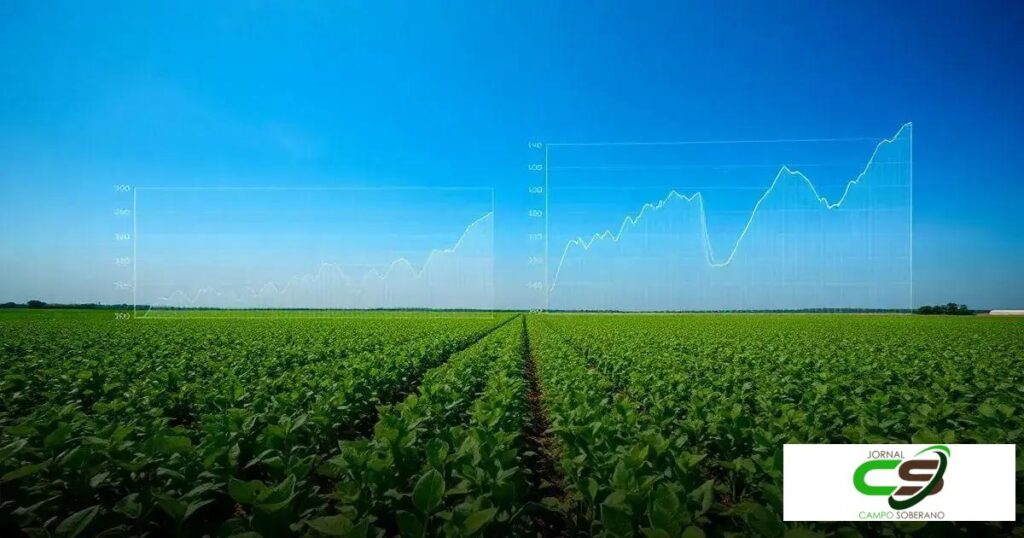
Investing in CME soybeans offers opportunities due to rising global demand, technological innovations, and sustainable practices. Understanding market trends and employing effective pricing and risk management strategies will be essential for success in this dynamic sector.
Thank you for reading this post, don't forget to subscribe!In the world of agriculture, CME soybeans play a pivotal role in the economy and investment strategies. As one of the major commodities traded on the Chicago Mercantile Exchange, understanding CME soybeans can give investors a competitive edge. This article will delve into the significance of CME soybeans, explore current market trends, and provide valuable insights for those looking to invest in this vital crop.
Além disso, confira abaixo esses posts:
Preço do Bezerro Nelore e Mestiço Atualizado
Preço da vaca Nelore e Mestiça Atualizado
Além disso, confira abaixo esses posts:
What are CME Soybeans?
CME soybeans refer to soybeans that are traded on the Chicago Mercantile Exchange (CME), a key platform for commodities trading. This exchange plays a vital role in providing market participants with price discovery and risk management solutions related to agricultural commodities.
Understanding CME Soybeans
The CME offers a variety of futures contracts for soybeans, which investors and producers use to hedge against price fluctuations. These contracts are standardized, meaning they have specific characteristics in terms of quantity, quality, and delivery dates.
Significance in Global Markets
CME soybeans are crucial not only for traders and investors but also for farmers and agribusinesses. The prices set on the CME influence local markets worldwide. They impact everything from planting decisions to the financial planning of production.
Variations of CME Soybean Products
In addition to standard soybeans, the CME also lists contracts for soybean oil and soybean meal. These by-products are significant in their own right, as they are widely used in the food industry and for biofuels.
The trading of CME soybeans and their derivatives helps provide liquidity to the market, making it easier for participants to enter and exit positions.
The Importance of CME Soybeans in Agriculture
CME soybeans are vital to the agricultural industry for several reasons. They serve as a primary source of plant-based protein and oil. This makes them a significant crop for farmers, especially in the United States, which is one of the largest producers of soybeans globally.
Economic Role
The trading of CME soybeans influences the economic well-being of farmers and agricultural businesses. Price fluctuations in the CME market can directly affect the profitability of soybean growers. When prices are stable, farmers can invest in their operations, leading to better yields and sustainable practices.
Global Food Supply
CME soybeans play a crucial role in the global food supply chain. They are used in animal feed, cooking oil, and various food products. The demand for soybeans is continually growing due to an increase in global population and changes in dietary preferences, especially with the rise of plant-based diets.
Sustainability Efforts
Farmers growing CME soybeans are also engaging in sustainable agricultural practices. Techniques such as crop rotation and reduced tillage help preserve the environment while ensuring long-term production. This aligns with increasing consumer demand for sustainably sourced food products.
Market Stability
The CME provides a platform for futures contracts, allowing farmers and investors to hedge against price risks. This market stability benefits everyone from the farm level to food manufacturers by ensuring a reliable supply of soybeans.
Market Trends Affecting CME Soybeans
Understanding the market trends affecting CME soybeans is crucial for investors and farmers alike. Several factors can influence the prices and demand for soybeans, making it essential to stay updated on these trends.
Global Demand
One of the primary drivers of CME soybean prices is global demand. Countries such as China and Brazil are significant importers of soybeans. As their economies grow, so does the demand for stable food sources and animal feed, increasing pressure on soybean supply.
Weather Patterns
Weather conditions play a vital role in soybean production. Droughts, excessive rainfall, and extreme temperatures can affect crop yields, leading to fluctuations in market prices. Monitoring weather patterns helps investors anticipate potential price changes in the CME soybean market.
Trade Policies
Trade agreements and tariffs also significantly impact CME soybeans. Changes in trade policies can either promote or restrict soybean exports, directly affecting market prices. Tensions between major soybean importing and exporting countries can create uncertainty in the market.
Technological Advancements
Improved farming techniques and technologies can enhance soybean yield and reduce costs. Innovations such as precision agriculture enable farmers to make data-driven decisions, directly impacting production levels and market supply.
Currency Fluctuations
The strength of the US dollar can influence the price of CME soybeans. When the dollar is strong, it can make US soybeans more expensive for foreign buyers, potentially reducing demand. This relationship highlights the importance of monitoring currency exchanges.
How to Invest in CME Soybeans
Investing in CME soybeans can be an exciting opportunity for both seasoned investors and newcomers. Here are steps to guide you in making informed investments.
Understand the Market
Before you invest, it’s important to understand how the soybean market operates. Research historical price trends, current events affecting supply and demand, and global economic factors that impact soybean prices.
Choose Your Investment Strategy
There are various ways to invest in CME soybeans. You can buy futures contracts or options. Futures contracts obligate you to buy or sell soybeans at a predetermined price on a specific date. Options give you the right, but not the obligation, to do so.
Utilize a Brokerage Account
To start investing, you will need a brokerage account that allows trading in commodities. Seek a platform that offers access to CME markets and has a user-friendly interface.
Analyze the Charts
Use technical analysis to understand price movements. Analyze charts that display price patterns, trend lines, and market indicators. This information can help you predict future movements.
Manage Your Risks
Risk management is crucial in commodity trading. Consider using stop-loss orders to limit potential losses. Diversify your portfolio by investing in different commodities or sectors to reduce risk.
Stay Informed
Keeping up-to-date with market news and reports can provide insights into price movements and investment opportunities. Follow agricultural publications, market analysis websites, and economic reports.
CME Soybeans Pricing Strategies
Developing effective CME soybeans pricing strategies is essential for investors and traders to maximize their profitability. Here are some key strategies to consider:
Understand Current Market Conditions
Start by analyzing the current market trends affecting CME soybean prices. By keeping up with factors such as global demand, crop yields, and trade policies, you can make more informed decisions about when to buy or sell.
Utilize Technical Analysis
Using technical analysis can help you identify price patterns and trends. Look for moving averages, support and resistance levels, and chart patterns to predict potential market movements.
Set Target Prices
Define target buying and selling prices before entering the market. This approach allows you to stick to your plan and reduces the risk of emotional trading. Decide in advance what prices signal a buying opportunity or a reason to sell.
Implement Hedging Techniques
Hedging is a risk management strategy that allows you to protect your investments. By using futures contracts, you can lock in prices for future purchases or sales of soybeans, minimizing the impact of market volatility.
Follow Fundamental Analysis
Stay informed about economic reports, weather forecasts, and agricultural developments that impact soybean prices. Understanding the fundamentals behind the market helps you make smarter trading choices.
Monitor the CME Database
The CME Group provides valuable real-time data on soybean prices and futures contracts. Regularly monitoring this information helps you make timely decisions based on market movements.
Risk Management with CME Soybeans
Risk management in the CME soybeans market is essential for investors and producers looking to protect their investments. Here are some strategies to effectively manage risk:
Use Futures Contracts
Futures contracts are a common way to hedge against price fluctuations. By locking in a price for soybeans, you can protect yourself from adverse market movements that could affect profitability.
Implement Options Strategies
Options give you the right, but not the obligation, to buy or sell soybeans at a certain price. This flexibility allows you to mitigate risk while still participating in potential price increases.
Diversify Your Portfolio
Diversification is key to managing risk. By investing in different commodities or sectors along with CME soybeans, you can reduce the impact of price changes in any single market.
Monitor Market Trends
Stay informed about market trends and developments that affect soybean prices. Regularly analyzing weather reports, global demand, and trade policies helps you anticipate potential risks.
Set Stop-Loss Orders
Stop-loss orders automatically sell your soybean investments when they reach a predetermined price. This strategy helps limit potential losses and protects your capital during downturns.
Regularly Review Your Strategy
Regularly reviewing and adjusting your risk management strategy is essential. As market conditions change, so should your approach to risk management to ensure it aligns with current realities.
Technological Advances in CME Soybean Farming
Technological advances in CME soybean farming have greatly impacted both yield and efficiency. Here are some key technologies transforming the industry:
Precision Agriculture
Precision agriculture uses GPS and data analytics to help farmers manage their crops more effectively. This technology allows farmers to monitor soil conditions, moisture levels, and crop health, leading to better decision-making and higher yields.
Biotechnology
Biotechnology has led to the development of genetically modified (GM) soybean varieties that are resistant to pests and diseases. These advancements improve crop resilience and reduce the need for chemical pesticides, creating a healthier environment.
Automated Machinery
New farming equipment, such as automated tractors and drones, helps farmers plant, monitor, and harvest soybeans more efficiently. Automation reduces labor costs and improves precision, allowing farmers to cover more land with less effort.
Data Management Tools
Farm management software offers tools for tracking inputs, outputs, and financial records. This data allows farmers to analyze their operations and make informed decisions that enhance profitability and sustainability.
Sensors and IoT
Internet of Things (IoT) sensors collect real-time data from the fields. They can monitor factors like soil moisture, temperature, and pest activity. This information helps farmers maintain optimal growing conditions and respond quickly to any issues.
Resilient Farming Practices
Advanced technologies also promote sustainable farming practices. Techniques like cover cropping and reduced tillage improve soil health and biodiversity. These methods contribute positively to the environment while still boosting productivity.
Future Outlook for CME Soybeans
The future outlook for CME soybeans looks promising due to several evolving factors. Here are key elements that may shape the market:
Increasing Global Demand
As global populations grow, the demand for soybeans is expected to increase. Countries are shifting towards plant-based diets, making soybeans a vital source of protein. This rising demand can support higher prices in the future.
Technological Innovations
Advances in farming technology, like precision agriculture and biotechnology, will likely enhance productivity. Farmers are expected to use data-driven solutions to improve yields and manage costs efficiently, which could lead to a stronger supply.
Sustainability Practices
Environmental sustainability will shape future farming practices. Consumers are increasingly favoring sustainably sourced products, leading farmers to adopt eco-friendly methods. This trend may increase market appeal and long-term demand for responsibly grown CME soybeans.
Trade and Policy Impacts
Changes in trade agreements and agricultural policies will impact CME soybean markets. Strong trade relations can facilitate greater access to international markets, positively affecting prices and profitability.
Climate Change Considerations
Climate change may pose challenges to soybean farming. Farmers will need to adapt to varying weather patterns and new pests. Innovative farming methods will be needed to ensure resilience and consistent production.
Investment Opportunities
With the growing interest in agricultural investments, CME soybeans are becoming more appealing to investors. The growing number of financial products related to commodities will offer diverse investment opportunities in the soybean market.
In Summary: CME Soybeans and Future Investment Potential
Investing in CME soybeans offers a range of opportunities for market participants. Understanding the current trends, technological advancements, and sustainable practices in soybean farming is crucial for making informed decisions.
The growing global demand for soybeans, coupled with innovations in farming technology, presents a favorable outlook for investors and farmers. By implementing effective pricing strategies and risk management techniques, market participants can enhance their investment returns.
As the agricultural landscape continues to evolve, keeping abreast of changes in trade policies and environmental impacts will be vital. Embracing these developments will pave the way for success in the CME soybean market and contribute to the sustainable future of agriculture.
FAQ – Perguntas frequentes sobre CME Soybeans
O que são CME soybeans?
CME soybeans são grãos de soja que são negociados na Chicago Mercantile Exchange, uma plataforma chave para o comércio de commodities agrícolas.
Quais fatores afetam o preço das CME soybeans?
Os preços das CME soybeans são influenciados por demanda global, condições climáticas, políticas comerciais e inovações tecnológicas na agricultura.
Como posso investir em CME soybeans?
Você pode investir em CME soybeans através de contratos futuros e opções em uma corretora que permita negociação de commodities.
Qual a importância da tecnologia na agricultura de CME soybeans?
As inovações tecnológicas aumentam a eficiência e a produtividade, permitindo que os agricultores melhorem suas colheitas e reduzam custos operacionais.
Como posso gerenciar riscos ao investir em CME soybeans?
Estratégias como o uso de contratos futuros, opções e ordens de stop-loss ajudam a proteger seu investimento contra flutuações de preços.
Qual é o futuro do mercado de CME soybeans?
O futuro do mercado de CME soybeans parece promissor, com aumento na demanda global, inovações tecnológicas e práticas agrícolas sustentáveis em crescimento.
Saiba Mais Sobre Dr. João Maria
Dr. João Silva é um renomado zootecnista especializado em pecuária de leite, com mais de 2 Décadas de experiência no setor. Com doutorado pela Universidade Federal de Viçosa e diversas certificações, Também é autor de inúmeros artigos científicos e livros sobre manejo e produção de leite.
Dr. João é reconhecido por sua contribuição significativa à indústria e seu compromisso com a qualidade e a inovação na produção leiteira.