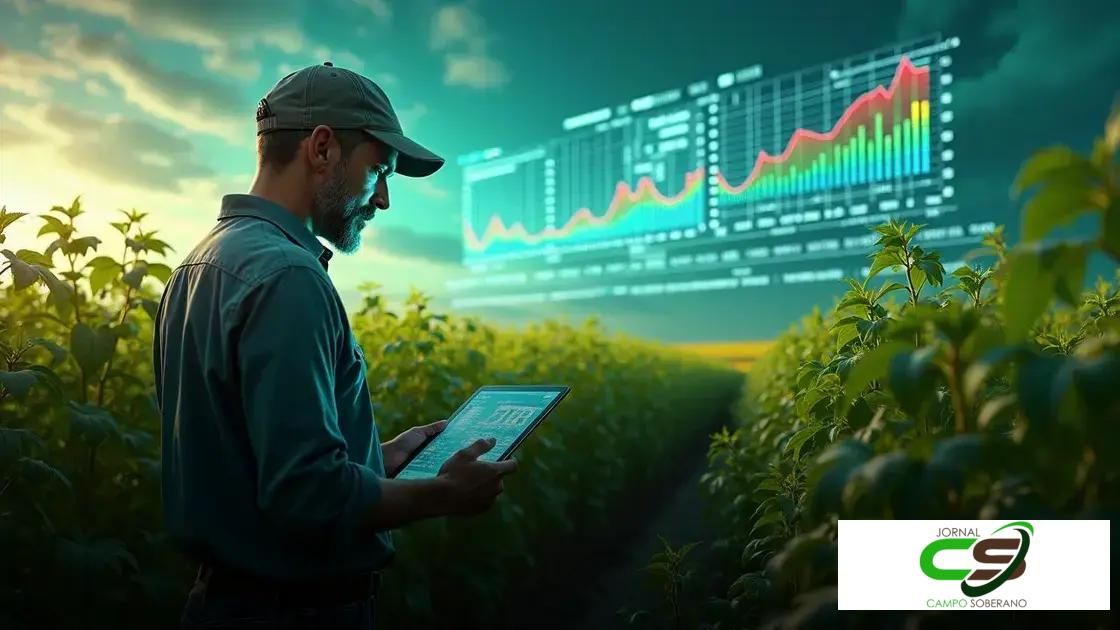
The soybean market is influenced by various factors including weather conditions, supply and demand dynamics, and technological advancements. CME Group plays a critical role by facilitating trading and risk management. Traders can benefit from implementing effective risk management strategies, utilizing innovative technologies, and staying informed about market trends to make informed decisions. Future predictions indicate growth in global demand and ongoing technological improvements will continue to shape the soybean trading landscape.
Thank you for reading this post, don't forget to subscribe!CME Group soybean futures are pivotal in shaping the agricultural landscape. In this article, we delve into market trends, impacts of weather patterns on soybean prices, and the importance of supply and demand dynamics. Grasping these concepts empowers traders to make informed decisions and navigate the complexities of the soybean market.
Além disso, confira abaixo esses posts:
Preço do Bezerro Nelore e Mestiço Atualizado
Preço da vaca Nelore e Mestiça Atualizado
Além disso, confira abaixo esses posts:
Understanding CME Group Soybean Futures
Understanding CME Group soybean futures is essential for farmers, investors, and traders alike. CME Group, or the Chicago Mercantile Exchange, offers a platform for trading soybean futures, which are contracts to buy or sell soybeans at a predetermined price on a specified future date. This helps manage risk in the volatile agricultural market, allowing participants to hedge against price fluctuations.
What are Soybean Futures?
Soybean futures represent the quality and quantity of soybeans being traded. Each contract typically represents 5,000 bushels of soybeans. By trading these contracts, participants can speculate on price movements or hedge existing positions in their physical soybean holdings.
Key Benefits of Trading Soybean Futures
One major advantage of soybean futures is the liquidity they provide. Traders can quickly enter or exit positions without large price swings. Additionally, these futures allow farmers to lock in prices before harvest, ensuring a stable income even if market prices fall.
Factors Influencing Prices
The prices of soybean futures are influenced by various factors including weather conditions, crop reports, and international demand. Weather can dramatically affect crop yields; for instance, droughts can lead to lower harvests and higher prices. Understanding these factors is crucial for making informed trading decisions.
How to Trade Soybean Futures
To participate in trading soybean futures, traders typically need a brokerage account that provides access to the CME Group. It’s vital to analyze market trends and conduct thorough research before making trades. Many traders use technical analysis tools to assess past price movements and predict future trends.
Risks Involved
Like any trading endeavor, there are risks involved in trading soybean futures. Prices can be volatile, and unexpected events can lead to significant losses. Traders should implement risk management strategies, such as setting stop-loss orders or diversifying their portfolios.
Importance of Staying Informed
Staying updated on market news and developments is crucial for successful trading. Regularly monitoring reports from the USDA and market analysis can provide insights into potential price movements. Additionally, engaging with communities of traders can help share knowledge and strategies.
Conclusion
By grasping the intricacies of CME Group soybean futures, traders and farmers can navigate the mercurial soybean market effectively. This understanding enables informed decisions, reducing risks and optimizing profits.
Market Trends in Soybean Trading
Market trends in soybean trading play a crucial role in understanding how prices fluctuate and what influences those changes. Soybean trading involves numerous variables, including both domestic and international market conditions.
Price Influencers
The trading price of soybeans can vary significantly based on various factors. Supply and demand is a primary driver. When there is high demand for soybeans, either for food or biofuels, prices often rise. Conversely, if supply exceeds demand, prices may drop.
Seasonal Trends
Seasonal changes also impact soybean trading. The planting and harvesting seasons create fluctuations in availability. Typically, prices may rise before a harvest as demand peaks. After the harvest, if large amounts of soybeans enter the market, prices might decline.
Global Demand
Global demand greatly affects market trends. Countries like China consume a significant amount of soybeans for livestock feed. Changes in trade policies or relationships with major suppliers can directly impact soybean prices. Traders should stay informed about international trade agreements and tariffs that might influence market conditions.
Economic Factors
Economic factors, such as inflation rates and currency values, also play a part in soybean trading trends. A stronger dollar makes U.S. soybeans more expensive for foreign buyers, which can reduce demand and lower prices. Keeping an eye on these economic indicators can provide valuable insight into market shifts.
Technological Impact
Advances in technology and agriculture have changed the landscape of soybean production. Improved farming techniques lead to larger yields, affecting supply and prices. Traders should consider how these technological advancements may influence both current and future market trends.
Market Speculation
Market speculation is an essential element of trading. Traders often buy or sell based on their forecasts of future price movements. Speculative trading can lead to increased price volatility, making it critical for participants to monitor market sentiment and trends.
Use of Analytics
Utilizing market analytics tools can give traders an edge. Data analytics can help analyze historical price movements and predict future trends, allowing for better-informed trading decisions. This kind of analysis can be key in determining when to enter or exit the market.
Impact of Weather on Soybean Prices
Impact of weather on soybean prices is a critical factor that all traders and farmers must consider. Weather conditions directly affect agricultural yield and, consequently, market prices for soybeans.
Drought Conditions
Droughts can lead to lower soybean yields, pushing prices higher as supply diminishes. When conditions are dry, crops struggle to reach full maturity, resulting in a smaller harvest. As supply decreases, prices often rise to reflect the scarcity.
Excessive Rainfall
On the other hand, excessive rainfall can also hurt yields. Too much water can lead to root rot and other diseases, reducing the quality and quantity of soybeans. Traders must keep an eye on forecasts to anticipate how heavy rains could impact the market.
Temperature Extremes
The growing season for soybeans is sensitive to temperatures. Extremely high temperatures during critical growth periods can stress plants, affecting their growth negatively. Conversely, late-season frosts can damage crops that have not yet been harvested, further affecting market prices.
Weather Forecasting Models
Many traders rely on weather forecasting models to predict potential impacts on soybean prices. These models analyze past weather patterns and current conditions to provide insights into future movements. Keeping abreast of these models can help traders make informed decisions.
Regional Variations
Weather’s impact on soybean prices is not uniform across regions. Different areas may experience various weather patterns that could either benefit or harm their local crop production. This regional variability can lead to price differences in different markets.
International Weather Events
Weather events occurring in major soybean-producing countries can also affect global prices. For instance, adverse weather in Brazil or Argentina, two of the largest soybean exporters, can lead to rising soybean prices worldwide as buyers seek alternative sources.
Investor Sentiment
Weather conditions often influence investor sentiment, impacting trading behavior. When forecasts predict bad weather, traders may panic and sell off their holdings, leading to increased price volatility. It is essential for participants in the market to monitor these psychological trends.
Analyzing Supply and Demand Factors
Analyzing supply and demand factors is essential for understanding the soybean market. The balance between supply and demand influences prices and trading strategies.
What is Supply?
Supply refers to the total amount of soybeans that farmers and producers are willing to sell at various prices. Several elements affect supply, including weather conditions, crop yields, and production costs. When farmers face unfavorable weather or high costs, soybean supply may decrease.
What is Demand?
Demand, on the other hand, represents how much of the soybean product buyers are ready to purchase at different price points. Demand can fluctuate based on consumer trends, the popularity of soy-based products, and livestock needs for feed. A rise in demand for soybeans leads to an increase in prices.
Factors Affecting Supply and Demand
Various factors contribute to changes in supply and demand. For supply, weather events, technological advancements in farming, and global production levels play significant roles. For demand, consumer preferences, economic growth, and international trade agreements are vital aspects to watch.
The Role of Global Markets
Global markets significantly influence supply and demand. For instance, if major soybean-producing countries report a bountiful harvest, it can lead to excess supply, pushing prices down. Conversely, high demand from countries like China can result in increased prices due to limited supply.
Supply Chain Considerations
The supply chain also affects the availability of soybeans. Events such as transportation disruptions can lead to reduced supply reaching the market, even if production levels remain high. Traders must consider logistics when analyzing supply factors.
Price Elasticity
Price elasticity refers to how sensitive the quantity supplied or demanded is to changes in price. Soybeans typically have low price elasticity; significant price increases may not drastically decrease demand, but they could lead to a decrease in supply as farmers may alter production decisions based on profitability.
Market Predictions
Understanding supply and demand trends helps in making market predictions. Traders who analyze these factors are better positioned to forecast price movements, allowing for more strategic trading decisions.
CME Group’s Role in Global Agriculture
CME Group’s role in global agriculture is significant as it provides the necessary infrastructure for trading and risk management in agricultural commodities, including soybeans.
What is CME Group?
The CME Group, or Chicago Mercantile Exchange Group, is one of the largest derivatives exchanges in the world. It plays a crucial role in facilitating and managing the trading of agricultural futures and options, making it a pivotal player in the global agriculture market.
Facilitating Price Discovery
CME Group facilitates price discovery for agricultural products through its trading platforms. This means that buyers and sellers can assess and set the prices based on current supply and demand conditions. A transparent price-setting mechanism is essential for all market participants.
Risk Management Tools
One of the primary functions of the CME is to offer risk management tools. Farmers, traders, and companies can hedge against price fluctuations by using futures contracts. This helps stabilize revenues for producers and ensures that buyers can lock in pricing.
Market Access
CME Group connects producers and consumers globally. Its trading platform provides access to a wide audience of buyers and sellers. This access allows local farmers to reach international markets and enhances competition, which often benefits consumers.
Data and Research
CME Group plays an essential role in providing data and research on agricultural markets. Timely and accurate information helps market participants to make informed decisions. The availability of reports on crop yields, market trends, and global economic indicators is invaluable.
Encouraging Innovation
The CME Group fosters innovation through technological advances in trading platforms. Enhanced technology improves the efficiency of transactions and helps participants respond swiftly to market changes. This innovation supports growth in the agricultural sector.
Global Impact
The CME Group’s influence extends worldwide. By providing a marketplace for agricultural trading, it affects global prices and supply chains, impacting farmers and consumers alike. Their decisions reverberate through local markets and economies.
Technological Advances in Soybean Trading
Technological advances in soybean trading are transforming how traders operate and interact in the market. These innovations enhance efficiency, accuracy, and decision-making.
Algorithmic Trading
Algorithmic trading uses computer algorithms to automate trading decisions based on predefined rules. This technology allows traders to execute orders more quickly and efficiently than manual trading. Algorithmic trading can help capitalize on market opportunities in real-time.
Data Analytics
Data analytics plays a crucial role in soybean trading. Advanced analytics tools can process vast amounts of market data to identify trends, price movements, and potential risks. Traders who utilize data analytics are better equipped to make informed decisions based on market patterns.
Mobile Trading Applications
The rise of mobile trading applications allows traders to manage their investments on-the-go. With these applications, users can monitor prices, place trades, and access real-time data from anywhere with internet connectivity. This convenience increases engagement and responsiveness in trading.
Blockchain Technology
Blockchain technology is emerging in agricultural trading as it enhances transparency and security. This decentralized ledger system can track transactions and verify the quality of soybeans, reducing fraud and ensuring trust between buyers and sellers.
Machine Learning
Machine learning algorithms can analyze historical trading data to predict future trends. By identifying complex patterns in market behavior, these algorithms offer insights that can help traders make strategic choices. Machine learning enhances forecasting accuracy in soybean trading.
Online Trading Platforms
Advancements in online trading platforms provide users with sophisticated tools and resources. These platforms often offer features such as charting tools, news feeds, and educational materials. Empowering traders with information enables them to navigate the soybean market effectively.
Market Signals and Alerts
Technological advances allow traders to set market signals and alerts. These notifications help traders stay informed of price changes and market developments, enabling them to act quickly when necessary. Timely information is critical in a fast-paced trading environment.
Risk Management Strategies for Traders
Risk management strategies for traders are essential to protect investments in the volatile soybean market. Traders face various risks, including price fluctuations, supply chain disruptions, and weather-related issues.
Diversification
Diversification involves spreading investments across different sectors or assets. Instead of putting all funds into soybeans, traders can invest in other commodities or financial instruments. This reduces overall risk, as losses in one area may be offset by gains in another.
Using Stop-Loss Orders
Stop-loss orders are a common risk management tool. By setting a specific price, traders can automatically sell their holdings if the market drops below that threshold. This minimizes potential losses and helps protect capital in volatile markets.
Position Sizing
Position sizing refers to determining how much capital to invest in a trade. By carefully calculating the size of each position based on account size and risk tolerance, traders can manage exposure and reduce the impact of losing trades on their overall portfolio.
Hedging
Hedging is a strategy used to offset potential losses. Traders can use futures contracts or options to lock in prices for soybeans, protecting against unfavorable market movements. This can be particularly useful in managing risks associated with weather or supply chain issues.
Monitoring Market Trends
Staying updated with market trends and economic news is vital for risk management. Traders should regularly analyze data related to soybean prices, weather conditions, and global agricultural developments. Being informed allows traders to make better decisions and react quickly to changes.
Setting Realistic Goals
Setting realistic trading goals helps manage expectations. Traders should define their risk tolerance and desired returns, which can inform their trading strategies and decisions. Keeping goals achievable prevents emotional reactions to market fluctuations.
Regular Review and Adjustment
Traders should regularly review their risk management strategies and make adjustments as necessary. Markets evolve, and strategies that worked in the past may need to be refined. Continuous evaluation ensures that traders remain agile and adapt to new challenges.
Future Predictions for Soybean Markets
Future predictions for soybean markets involve analyzing current trends and anticipating upcoming changes that may impact pricing and trading strategies.
Global Demand Growth
As the world population continues to rise, so does the demand for food, particularly protein-rich sources like soybeans. Countries such as China and India are expected to lead this demand growth, driving prices higher in the future.
Technological Innovations
Advancements in agricultural technology, such as precision farming and biotechnology, are likely to improve soybean yields significantly. These innovations could lead to increased supply, which may influence market prices and stabilize them over the long term.
Climate Change Effects
Climate change remains a critical factor in forecasting soybean markets. Unpredictable weather patterns could lead to production challenges, impacting supply levels and causing price volatility. Traders will need to monitor climate conditions closely to adjust their strategies accordingly.
Trade Policies and Agreements
Future predictions will also depend on global trade policies. Changes in tariffs, import/export regulations, and trade agreements could alter the flow of soybeans internationally. Traders should stay informed about legislative shifts in major soybean-exporting countries.
Shifts in Consumer Preferences
As more consumers adopt plant-based diets, the demand for soy products may surge. This trend could lead to higher prices for soybeans as food manufacturers increase their sourcing. Understanding these shifts is vital for traders in anticipating market movements.
Market Speculation
Speculation will continue to play a role in soybean pricing. Traders will react to various factors—economic reports, crop forecasts, and geopolitical events—that could influence prices. The resulting market dynamics may create both opportunities and risks.
Forecasting Tools and Models
As technology evolves, so do the tools available for market analysis. Traders will increasingly rely on sophisticated software and data analytics to forecast future prices based on historical trends and real-time inputs. Utilizing these tools can offer significant advantages in making informed trading decisions.
In Conclusion: Navigating the Soybean Market Landscape
Understanding the complexities of the soybean market is crucial for traders and investors alike. With factors such as weather patterns, supply and demand dynamics, and technological advances influencing market conditions, staying informed is key.
CME Group plays a vital role in global agriculture by providing platforms for price discovery and risk management. As we look to the future, predictions indicate that technological innovations and shifts in consumer preferences will shape the evolving landscape of soybean trading.
Moreover, implementing effective risk management strategies will ensure traders navigate this unpredictable market with confidence. By embracing the best practices discussed, market participants can better position themselves for success in an ever-changing environment.
In essence, the soybean market offers both challenges and opportunities, making it an ongoing area of interest for traders and stakeholders in the agricultural space.
FAQ – Frequently Asked Questions about Soybean Trading
How does weather impact soybean prices?
Weather can significantly affect soybean prices due to its direct impact on crop yields. Droughts or excessive rainfall can lower production, leading to higher prices.
What role does CME Group play in soybean trading?
CME Group provides a platform for price discovery and risk management in soybean trading, connecting producers and consumers globally.
What are some effective risk management strategies for traders?
Effective strategies include diversification of investments, using stop-loss orders, and employing hedging techniques to protect against price volatility.
What technological advances are influencing soybean trading?
Technological advances such as algorithmic trading, data analytics, mobile trading applications, and blockchain are enhancing efficiency and decision-making in soybean trading.
How can market trends predict future soybean prices?
Analyzing current supply and demand factors, global market conditions, and consumer preferences helps in predicting future price movements in the soybean market.
Why is diversification important in trading soybeans?
Diversification reduces risk by spreading investments across different assets, minimizing the impact of adverse price movements in any one area.
Saiba Mais Sobre Dr. João Maria
Dr. João Silva é um renomado zootecnista especializado em pecuária de leite, com mais de 2 Décadas de experiência no setor. Com doutorado pela Universidade Federal de Viçosa e diversas certificações, Também é autor de inúmeros artigos científicos e livros sobre manejo e produção de leite.
Dr. João é reconhecido por sua contribuição significativa à indústria e seu compromisso com a qualidade e a inovação na produção leiteira.