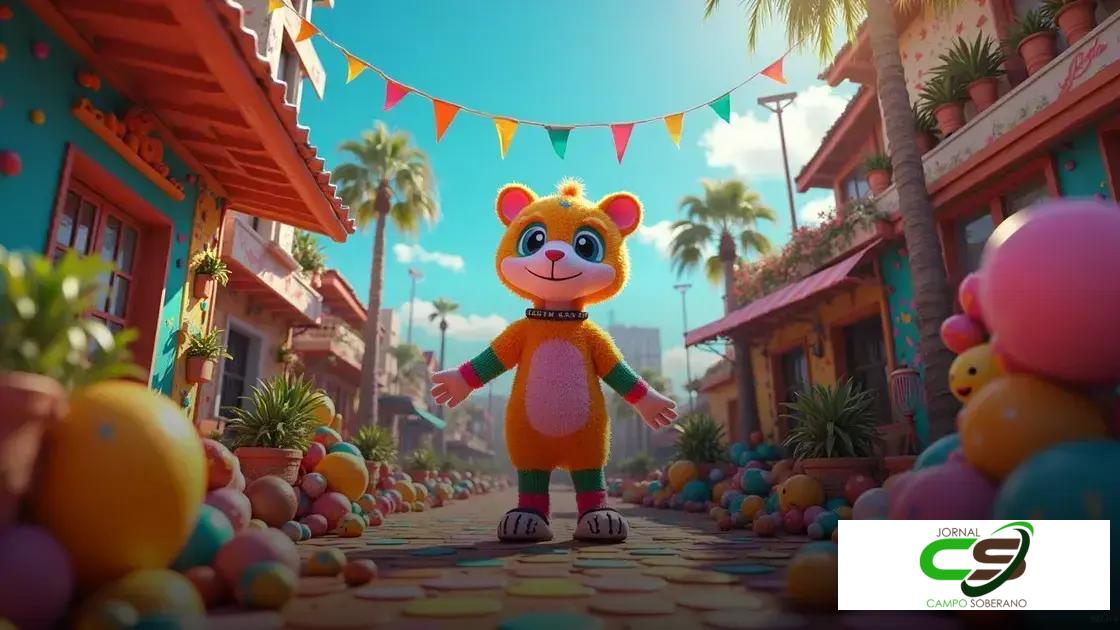
O Boi Boi é uma rica tradição folclórica brasileira que combina música, dança e a representação de um boi colorido, sendo especialmente popular no Nordeste do Brasil. As celebrações incluem histórias folclóricas, a confecção artesanal de figuras de Boi Boi e a participação animada da comunidade, promovendo a preservação cultural e a adaptação às modernidades.
Thank you for reading this post, don't forget to subscribe!Boi boi is more than just folklore; it is a vibrant reflection of Brazilian cultural heritage. This traditional figure embodies storytelling and creativity, capturing imaginations through its lively performances. In this article, we delve into its rich history and various forms, exploring why boi boi remains a cherished symbol across the country.
Além disso, confira abaixo esses posts:
Preço do Bezerro Nelore e Mestiço Atualizado
Preço da vaca Nelore e Mestiça Atualizado
Além disso, confira abaixo esses posts:
The History of Boi Boi
The Boi boi has deep roots in Brazilian history, particularly tied to folklore and rural traditions. Originating from the Northeastern region of Brazil, its history is rich with tales that reflect the daily lives and struggles of the people. Traditionally, performers dress in colorful costumes, representing a lively depiction of the Boi, which translates to “ox” in English.
Origins of Boi Boi
The Boi boi tradition likely began during the colonial period, influenced by African, Indigenous, and Portuguese theatrical practices. These performances were not just entertainment; they conveyed stories that communicated cultural values, community issues, and social commentary.
Evolution Through the Years
Over the years, Boi boi has evolved, blending different cultural elements and adapting to modern influences. Initially simple storytelling evolved into complex theatrical displays featuring music, dance, and vibrant visual arts. This progression reflects the rich tapestry of Brazilian culture.
Cultural Influences
The Boi boi is often associated with agricultural practices. Festivals celebrating the harvest or marking important dates in the agricultural calendar prominently feature Boi boi, highlighting its connection to the land and the community’s way of life. These performances are a vital channel for safeguarding and passing on local traditions.
Importance in Regional Identity
The Boi boi has become a symbol of regional identity in Brazil, each area interpreting the tradition uniquely. In states like Maranhão, for example, Boi Bumba showcases a fusion of music and narrative that captivates audiences and preserves local dialects and traditions.
Today, the Boi boi not only maintains its cultural significance but also serves as an important educational tool, uniting different generations in understanding their heritage and ongoing cultural narratives.
Cultural Significance of Boi Boi
The cultural significance of Boi boi extends beyond mere entertainment; it plays a crucial role in preserving and celebrating Brazilian identity. Every performance brings together people of different ages and backgrounds, creating a sense of community and shared heritage.
Reflection of Society
Boi boi captures the essence of rural life and reflects societal values, challenges, and triumphs. Through storytelling, it addresses important themes such as love, struggle, and resilience, making it a vehicle for cultural expression and social commentary.
Connection to the Past
For many, Boi boi serves as a bridge to the past, allowing newer generations to connect with their ancestors’ traditions. By participating in performances, community members actively engage with cultural narratives and historical practices that shaped their identities.
Educational Role
Boi boi is not just entertainment; it serves an educational purpose as well. Through dance, music, and storytelling, audiences learn about Brazilian folklore, local customs, and the values inherent in their culture. This aspect is especially important in schools and community programs.
Promoting Unity and Diversity
While deeply rooted in local traditions, Boi boi also promotes unity among diverse groups. It showcases the rich tapestry of Brazilian culture, highlighting the contributions of Indigenous, African, and European influences, thus celebrating multiculturalism.
With such significant cultural implications, Boi boi acts as a living tradition, continuously evolving yet steadfast in its role as an emblem of Brazilian pride and heritage.
Boi Boi in Brazilian Festivals
The Boi Boi plays a vibrant role in various Brazilian festivals, showcasing the unique blend of tradition and local culture. These festivities often feature lively parades, music, and performances that enchant audiences and preserve regional identities.
Festivals Celebrating Boi Boi
One of the most famous festivals is the Bumba Meu Boi, celebrated primarily in Maranhão. This festival not only highlights the Boi Boi but also incorporates dance, music, and theatrical elements, creating a rich cultural tapestry that captivates both locals and visitors.
Rhythms and Performances
The performances during these festivals are dynamic, with actors dressed as the Boi captivating the audience through their storytelling and movements. Musicians often play traditional instruments, blending African, Indigenous, and European musical styles to create a unique sound that resonates thought the celebrations.
Community Involvement
Local communities deeply engage in festival preparations, fostering a sense of unity and pride. Families often pass down roles and responsibilities for the festivities, ensuring that younger generations learn and appreciate their cultural heritage.
Significance of Boi Boi in Festivals
The presence of Boi boi in these festivals highlights the sheer joy and vitality of Brazilian culture. It serves as a reminder of the importance of community, history, and shared experiences, reinforcing cultural bonds among participants.
Through these lively celebrations, the Boi boi continues to thrive, bringing people together in joyous gatherings that celebrate tradition, creativity, and cultural identity.
Variations of Boi Boi Across Regions
The variations of Boi boi across different regions of Brazil showcase the rich diversity of cultural expressions tied to this traditional figure. Each state interprets Boi boi differently, reflecting local customs, languages, and artistic styles.
Baião and the Northeastern Region
In the Northeast, particularly in Maranhão, the Bumba Meu Boi tradition takes center stage. This version includes vibrant costumes and combines local folklore with lively music, such as baião and forró, creating a unique celebratory atmosphere.
Southern Interpretations
In the South, the Boi Boi often takes on a different form, influenced by Italian and German cultural elements. Here, communities incorporate dramatic storytelling and elements of theatre, showcasing their heritage through distinct performances that merge diverse influences.
The Central-West and the Ecological Connection
In the Central-West region, Boi boi is tied to agrarian traditions, serving as a symbol of cattle ranching. The local variations often highlight the connection between nature and agricultural life, making the performances relatable to the rural community’s everyday experiences.
Urban Expressions
As cities have grown, Boi boi has found a place in urban settings. Adaptations flourish in metropolitan areas, with street performances and festivals showcasing a blend of traditional elements and contemporary influences. These urban versions often feature modern music and street art styles, attractive to younger audiences.
Each region’s unique adaptation of Boi boi illustrates how this vibrant tradition continues to evolve while maintaining its cultural significance. These variations not only celebrate local identities but also enrich Brazil’s cultural landscape.
Popular Boi Boi Stories
The stories of Boi Boi are rich with folklore, humor, and life lessons. These tales capture the imagination of audiences and provide insight into the cultural heritage of Brazil. Here are some of the most popular Boi Boi stories.
The Tale of the Resurrected Ox
One famous story revolves around an ox that is killed by the owner. The owner is struck by regret and seeks a way to bring the ox back to life. Through a mix of magic and cleverness, the villagers come together to perform rituals that end with the ox miraculously returning to life, symbolizing renewal and the circle of life.
The Clever Farmer
Another popular narrative is about a clever farmer who outsmarts a greedy landlord. In this tale, the farmer uses the Boi Boi as a character to trick the landlord into giving them a fair deal for their land. The story highlights the importance of intelligence and community support over brute force.
The Dance of the Boi
This story focuses on a joyful celebration where a Boi is brought to life through dance. As the townspeople dance around the Boi, it comes alive, leading to a night of festivity. This story emphasizes the joy of cultural gatherings and the strength of community bonds through celebrations.
The Enchanted Boi
In this tale, a young girl befriends an enchanted Boi, capable of speaking. The Boi shares wisdom about nature and teaches her valuable lessons about respect for the environment. This story showcases the connection between the Boi Boi tradition and ecological themes, promoting a deeper appreciation for nature’s beauty.
These stories, along with countless others, continue to influence the performances of Boi Boi in festivals and are essential in preserving the oral traditions of Brazil. They weave together themes of struggle, joy, and cultural resilience, making them integral to understanding Brazilian heritage.
Crafting a Boi Boi: Techniques and Materials
Crafting a Boi Boi involves a variety of techniques and materials that reflect the rich cultural heritage of Brazil. The process is both creative and traditional, ensuring that each Boi embodies the spirit of its community.
Materials Used
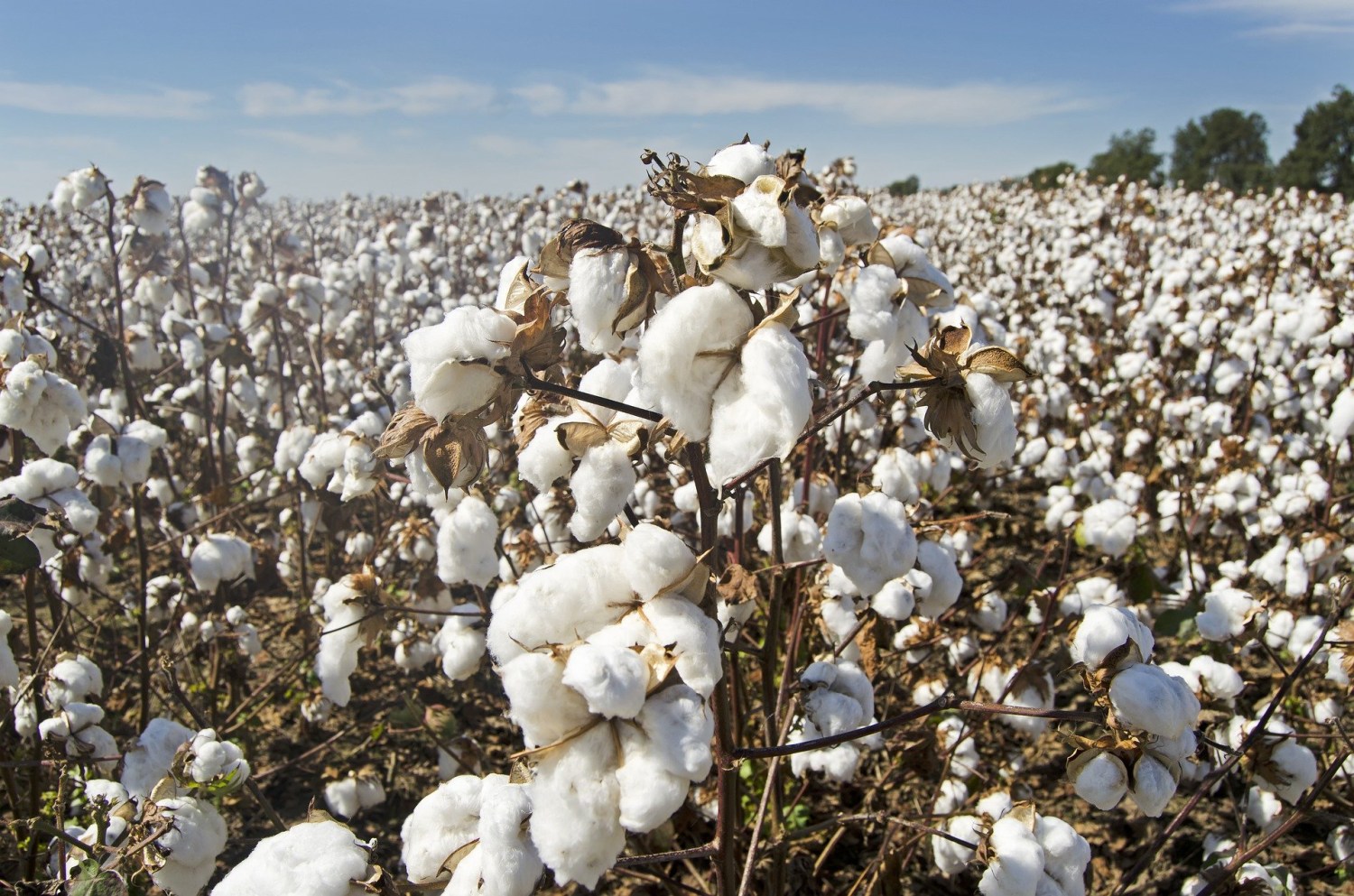
The primary material used to create a Boi Boi is usually textiles. Brightly colored fabrics such as cotton or satin are preferred, as they can easily be manipulated into the vibrant patterns that characterize this art form. Other important materials include straw or wood for the structural frame, which provides stability.
Techniques of Crafting
The crafting process begins with creating the frame. Artisans usually weld or assemble the frame of the Boi using wood or metal poles. This frame is then covered with the selected textiles, often secured with stitches or glue.
Decoration and Personalization
The decoration process is crucial and highly personalized. Artisans often use paint, beads, and sequins to embellish the Boi, creating unique designs that represent local culture, stories, and history. This decorative aspect allows each Boi to stand out during performances.
Community Collaboration
Crafters often work in collaboration with community members, ensuring that the designs incorporate local cultural symbols. Workshops or gatherings may be held where families come together to contribute to the Boi’s creation as a means of passing down traditions.
Once finished, the Boi Boi is not only a visual spectacle but also carries the essence of the community that made it. Through this artistic process, creativity and cultural heritage are beautifully intertwined.
Boi Boi Music and Dance
The Boi Boi Music and dance are integral parts of the Boi Boi tradition, breathing life into the performances and celebrations. These elements not only entertain but also convey the stories and cultural messages behind the folkloric figure.
Traditional Instruments
Boi Boi music typically features a variety of traditional instruments. Instruments such as accordion, triangle, and percussion create lively rhythms that encourage audience participation. The accordion, in particular, adds a unique melody that enhances the festive atmosphere.
Dance Styles
The dances performed during Boi Boi events are characterized by energetic movements and expressive gestures. Dancers often mimic the actions of the Boi, portraying its spirit through lively choreography. Each regional variation may include its own unique dance steps that reflect local customs and styles.
Cultural Expressions
Through music and dance, performers express local stories, histories, and values. The lyrics of Boi songs often tell tales of love, folklore, and daily life, connecting the dance to the broader cultural heritage of the community. The performance becomes a way for the younger generation to learn and keep their culture alive.
Community Participation
Community involvement is vital in Boi Boi music and dance. Festivals often invite everyone to join in the celebrations, promoting unity and a sense of belonging. This participation fosters connections among individuals, reinforcing community ties and pride in their cultural identity.
The intertwining of music and dance with the Boi Boi tradition creates a vibrant celebration of Brazilian culture. Together, they celebrate the past and inspire future generations to cherish their rich heritage.
The Future of Boi Boi Traditions
The future of Boi boi traditions lies in the balance of preserving cultural heritage while adapting to modern trends. As society evolves, the Boi Boi tradition continues to transform, ensuring its relevance for future generations.
Initiatives for Preservation
Many communities are taking steps to preserve the Boi Boi tradition. Workshops and training programs are being organized to teach younger generations the art of crafting Boi Boi figures and performing the associated music and dance. This ensures that skills are passed down and maintained.
Integration with Modern Influences
Innovative artists are merging Boi Boi with contemporary art forms. This includes collaborations with street artists, musicians, and digital creators. By infusing modern styles into traditional performances, they attract a new audience while keeping the essence of Boi Boi alive.
Use of Technology
Technology plays a significant role in the future of Boi Boi traditions. Social media platforms are being used to share performances and stories, reaching broader audiences. Additionally, virtual reality experiences of Boi Boi festivals are being developed to immerse people in the culture from anywhere in the world.
Community Engagement and Festivals
Continued community engagement through annual festivals and events ensures the tradition remains vibrant. These gatherings not only celebrate Boi Boi but also foster an environment of inclusivity and cultural pride, inviting participation from diverse groups.
As the world changes, the adaptability of Boi Boi traditions will be crucial in preserving their cultural significance while ensuring they resonate with younger audiences. With these efforts combined, the legacy of Boi Boi is set to thrive for generations to come.
Embracing the Legacy and Future of Boi Boi
The Boi Boi tradition is a vital part of Brazilian cultural heritage, reflecting the rich history and diversity of the country’s folklore. From its vibrant music and dance to the intricately crafted figures, Boi Boi embodies the spirit of community and creativity.
As we look to the future, it becomes increasingly important to preserve these traditions while also embracing modern influences. Initiatives aimed at educating younger generations, along with innovative adaptations, will ensure that Boi Boi remains a living tradition.
With a commitment to cultural preservation and adaptation, Boi Boi is poised to thrive, continuing to bring joy and connection to communities across Brazil and beyond for years to come.
FAQ – Perguntas frequentes sobre o Boi Boi
O que é o Boi Boi?
O Boi Boi é uma tradição folclórica brasileira que envolve música, dança e o uso de figuras feitas de materiais coloridos, representando um boi. Ele é uma parte importante da cultura, especialmente nas regiões nordeste do Brasil.
Como é feito o Boi Boi?
O Boi Boi é feito utilizando tecidos coloridos, palha ou madeira para criar uma estrutura. A decoração inclui pinturas, contas e lantejoulas, tornando cada figura única e vibrante.
Qual é o papel da música e da dança nas celebrações do Boi Boi?
A música e a dança são essenciais nas celebrações do Boi Boi, trazendo vida às apresentações. Elas ajudam a contar histórias, transmitir a cultura e promover a participação comunitária durante festivais.
Quais são algumas histórias populares sobre o Boi Boi?
Histórias populares incluem o “Boi ressuscitado”, que fala sobre a morte e retorno do boi, e “O fazendeiro inteligente”, que narra como um fazendeiro supera um terrível senhor de terras por meio de astúcia.
Como o Boi Boi está se adaptando às tendências modernas?
O Boi Boi está se adaptando por meio da integração com influências contemporâneas, como artes urbanas e projetos de mídia social que visam envolver novas audiências e manter a tradição viva.
Qual é o futuro das tradições do Boi Boi?
O futuro das tradições do Boi Boi vem garantindo preservação cultural, modernização e envolvimento comunitário. Iniciativas que promovem o ensino dessas tradições ajudarão a manter sua relevância para as futuras gerações.
Saiba Mais Sobre Dr. João Maria
Dr. João Silva é um renomado zootecnista especializado em pecuária de leite, com mais de 2 Décadas de experiência no setor. Com doutorado pela Universidade Federal de Viçosa e diversas certificações, Também é autor de inúmeros artigos científicos e livros sobre manejo e produção de leite.
Dr. João é reconhecido por sua contribuição significativa à indústria e seu compromisso com a qualidade e a inovação na produção leiteira.