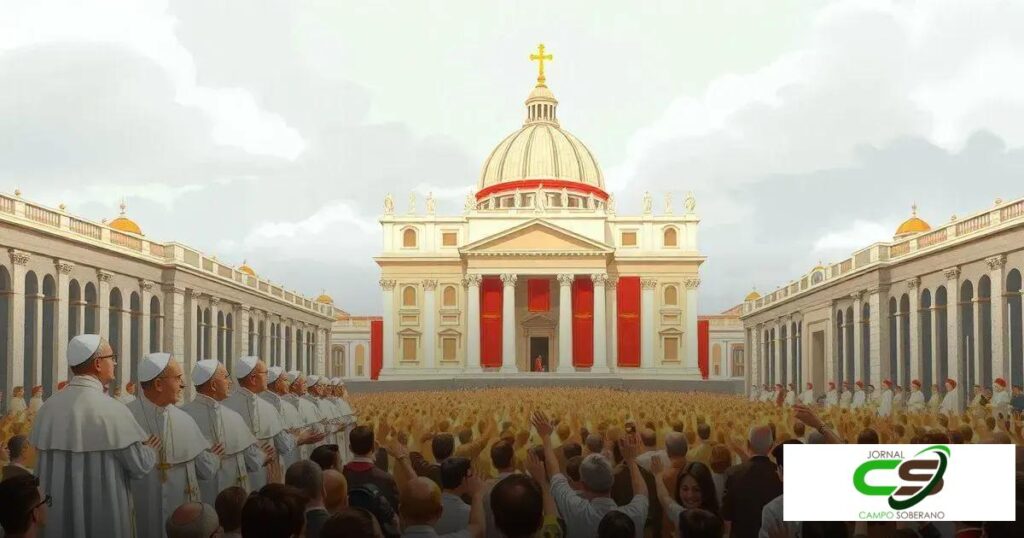
‘Habemus Papam’ é uma expressão em latim usada para anunciar a eleição de um novo papa. O processo envolve um conclave onde os cardeais votam secretamente. A declaração gera reações globais de celebração e esperança, refletindo a influência do novo líder na Igreja Católica, em questões sociais e na promoção do diálogo inter-religioso, além de impactar a comunicação e inclusão através da tecnologia.
Thank you for reading this post, don't forget to subscribe!Habemus Papam is a Latin phrase signaling a pivotal moment in the Catholic Church: the election of a new pope. Each time this proclamation is made, it evokes a sense of hope and anticipation among millions of Catholics worldwide. In this article, we will delve into the rich history surrounding Habemus Papam, exploring its significance in the context of papal elections and the lasting impact on the Church.
Além disso, confira abaixo esses posts:
Preço do Bezerro Nelore e Mestiço Atualizado
Preço da vaca Nelore e Mestiça Atualizado
Além disso, confira abaixo esses posts:
What Does ‘Habemus Papam’ Mean?
Habemus Papam is a Latin phrase that translates to “We have a pope.” This announcement is made during a papal conclave when the cardinals elect a new pope. The phrase symbolizes an important moment in the Catholic Church, marking the onset of a new leadership following the resignation or death of the previous pope.
The term originates from the papal election process, which has evolved over centuries. Traditionally, it carries with it the excitement and anticipation of not just the faithful, but also the global community. Every time ‘Habemus Papam’ is declared, it resonates deeply within the hearts of many around the world, emphasizing the significance of the papacy.
Usage in Ceremonies
The declaration of Habemus Papam is usually made from the balcony of St. Peter’s Basilica. Upon the arrival of a new pope, the senior cardinal deacon announces the phrase, eliciting cheers from the crowd gathered below. The new pope then often delivers a short address, conveying his first message to the world.
Historical Context
Historically, the phrase has been a part of significant moments in papal history. From the exciting days of the Renaissance to modern times, each announcement has carried weight and meaning, reflecting the church’s evolving relationship with its followers.
History of the Papal Election Process
The papal election process is a fascinating tradition that dates back many centuries. This process has evolved over time, reflecting changes in church governance and tradition. Traditionally, the pope is elected by the College of Cardinals, which consists of senior church leaders. When a pope dies or resigns, the cardinals gather in the Vatican for a conclave.
During the conclave, the cardinals are secluded in the Sistine Chapel. They pray, reflect, and discuss the qualities needed in a new pope. Each cardinal casts a vote, and a two-thirds majority is required for election. If no candidate receives enough votes, further rounds of voting continue until a pope is selected.
Historical Changes
Over time, the rules governing these elections have changed. Initially, popes were often chosen by acclamation or public nomination. Later, the system shifted to the current electoral process during the 11th century, improving accountability and unity in the Church.
Modernisation of the Process
In the 20th and 21st centuries, the process has been further refined. Procedures now include electronic voting and regulations aimed at speeding up the decision-making process. These changes reflect a need to adapt to contemporary times while preserving the sanctity of the tradition.
Throughout history, each election process has seen unique moments, controversies, and outcomes, all of which shape the future of the papacy and the Catholic Church as a whole. The decision made in the conclave signals not just the new leader but often a shift in direction for the Church.
Key Moments When ‘Habemus Papam’ Was Declared
‘Habemus Papam’ has been declared during several pivotal moments in history. These announcements not only mark the beginning of a new papacy but also resonate deeply with the Catholic community around the world. Each declaration comes with its unique circumstances and sentiments.
One of the most memorable instances occurred on April 19, 2005, when Cardinal Joseph Ratzinger was selected and introduced as Pope Benedict XVI. The crowd erupted in joy and enthusiasm outside St. Peter’s Basilica as they eagerly awaited the announcement.
Historical Context
Another significant moment was on March 13, 2013, when Jorge Mario Bergoglio was named Pope Francis. The announcement was met with cheers and applause, as Pope Francis became the first Jesuit pope and the first from the Americas.
Impact of the Announcements
Each ‘Habemus Papam’ moment reflects a turning point for the Catholic Church. The selection of a new pope can signal changes in direction, priorities, and outreach strategies.
In less recent history, on October 28, 1958, the declaration of Pope John XXIII was also a defining moment. The announcement brought hope, particularly as he called for the Second Vatican Council, aiming to modernize the Church and connect with the contemporary world.
These key announcements share a common thread of excitement and hope, shaping the future of the Catholic Church with each new leader. The Habemus Papam declarations are not merely procedural; they are rich with emotion and promise for believers.
The Role of the Conclave in Papal Elections
The conclave plays a crucial role in the process of papal elections. It is during this sacred gathering that cardinals from around the world meet to elect a new pope. The term ‘conclave’ comes from the Latin word ‘clavis,’ meaning key. This signifies the seclusion of the cardinals, who are locked away until a decision is made.
Once a vacancy occurs, the College of Cardinals convenes in the Vatican. They gather in the Sistine Chapel, which is surrounded by history and art, setting the stage for a solemn yet hopeful occasion. During the conclave, the cardinals are tasked with the significant responsibility of electing the pope, who will lead the Catholic Church.
Voting Process
Each cardinal casts their vote in secrecy. The voting is simple yet profound: a ballot is marked with the chosen candidate’s name. A minimum of two-thirds of the votes is needed to elect a new pope. If no candidate receives the required majority, the cardinals hold additional ballots until a decision is reached.
Traditions and Rituals
The conclave is steeped in tradition. Before entering, the cardinals take an oath of secrecy regarding the discussions and voting. Following each voting session, the ballots are burned. If a pope is not elected, the smoke is black, signaling to the waiting crowds outside that no decision has been made. When a new pope is elected, white smoke is produced, followed by the announcement ‘Habemus Papam.’
This process reflects the meticulous planning and careful thought put into choosing a new leader. The conclave embodies both the heritage of the Catholic Church and the hopes of millions around the world. Each conclave is a moment of significant spiritual importance and anticipation.
Popular Figures Associated with ‘Habemus Papam’
Several important figures are closely associated with the phrase ‘Habemus Papam’ and the papal selection process. These individuals have not only influenced the Church but have also made their mark on history through their leadership roles.
Pope Francis, born Jorge Mario Bergoglio, was elected on March 13, 2013. He is known for his emphasis on social justice and interfaith dialogue. His election marked significant changes in the Church’s approach to various global issues, making him a key figure in modern papal history.
Pope Benedict XVI
Pope Benedict XVI, born Joseph Ratzinger, was elected on April 19, 2005. He was known for his theological acumen and focus on the importance of tradition. His papacy was characterized by efforts to address challenges within the Church, including the sexual abuse crisis.
Cardinal Angelo Scola
Another notable figure is Cardinal Angelo Scola, who was considered a strong candidate during the 2013 conclave. His influential role in the Church, particularly in Italy, made him a key player in the discussions leading to the papal election.
Cardinal Jorge Mario Bergoglio
Before becoming Pope Francis, Cardinal Jorge Mario Bergoglio’s humility and dedication to social issues were recognized worldwide. His commitment to the poor and marginalized resonated with many, which ultimately influenced the decision-makers during the conclave.
These figures, along with countless others involved in the conclave, showcase the diversity of leadership within the Catholic Church. Each one brings unique perspectives and experiences that shape the direction of the papacy and the Church as a whole.
The Significance of the New Pope’s Announcement
The announcement of a new pope is one of the most significant events in the Catholic Church. When the phrase ‘Habemus Papam’ is declared, it signifies not just the election of a leader but a moment of renewed hope and direction for millions of Catholics worldwide.
One of the key aspects of the new pope’s announcement is the immediate impact it has on the Catholic community. Followers eagerly await the new pope’s message and vision, as it shapes the Church’s priorities and approaches to pressing issues such as social justice, morality, and global outreach.
Symbol of Unity
The election of a new pope also serves as a symbol of unity among Catholics. It brings together a diverse group of believers from various backgrounds who all share the same faith. The announcement creates a sense of collective identity and purpose, reinforcing the idea that the Church is a universal community.
Global Reactions
The announcement resonates beyond the Church itself. It garners attention from the media, world leaders, and people of different faiths. The new pope’s stance on social and political issues can inspire dialogues that transcend religious boundaries and encourage cooperation among diverse communities.
Setting the Agenda
Moreover, the significance of the new pope’s announcement lies in the agenda-setting role it plays. The newly elected pope often highlights specific issues during his inaugural address, which can become focal points for his papacy. Whether addressing poverty, climate change, or interfaith relations, these priorities shape the Church’s mission moving forward.
Ultimately, the new pope’s announcement not only marks a transition in leadership but also signifies a moment of hope and renewal for millions, serving to inspire action and faith in the world.
Global Reactions to ‘Habemus Papam’
The declaration of ‘Habemus Papam’ generates immediate reactions from around the globe, reflecting the diverse feelings of hope, joy, and even skepticism among the faithful and observers alike. When the new pope is announced, it marks a significant moment not just for Catholics, but for various international communities.
In many countries, spontaneous celebrations erupt in response to the announcement. Crowds gather in churches, plazas, and homes, with people lighting candles, singing hymns, and expressing their excitement over the new leader. Social media platforms buzz with posts celebrating the new pope’s appointment and sharing messages of support and blessings.
Political Responses
Global leaders often react swiftly, sending messages of congratulations. These reactions reflect the pope’s influence on global issues like peace, human rights, and social justice. Many leaders express hope that the new pope will advocate for dialogue and cooperation in addressing world challenges.
Interfaith Reactions
Interfaith communities also respond to the announcement. Leaders from various religions often extend greetings, acknowledging the importance of dialogue and cooperation on shared values. They hope for ongoing collaboration between the Catholic Church and other faith communities to promote peace and understanding.
Media Coverage
The media plays a significant role in shaping public perception. International news outlets provide extensive coverage, analyzing the implications of the new pope’s leadership style and potential priorities. Commentators discuss the challenges ahead and how the new pope might deal with pressing issues like climate change and poverty.
Overall, the global reactions to ‘Habemus Papam’ capture the spirit of anticipation and the desire for positive change within the Church and beyond. This moment highlights how a new pope’s appointment can resonate on multiple levels, reflecting not only the hopes of Catholics but also the interest of the global community.
Future of the Papacy After ‘Habemus Papam’
The future of the papacy after ‘Habemus Papam’ signifies a time of potential and change for the Catholic Church. Each new pope brings their own vision, priorities, and leadership style that can greatly influence the direction of the Church.
One of the critical aspects is the focus on global issues. The new pope will likely address pressing matters such as poverty, environmental stewardship, and social justice. With millions of followers worldwide, the papacy has the potential to mobilize resources and engage in advocacy on these crucial topics.
Dialogue with Other Faiths
As the world becomes more interconnected, the role of the papacy in promoting interfaith dialogue is essential. The new pope may seek to strengthen relationships with leaders of other religions to foster mutual understanding and respect. This effort could lead to collaborative initiatives aimed at peace and community service.
Addressing Internal Challenges
Internally, the Church faces challenges such as declining attendance in some regions, the sexual abuse crisis, and calls for more inclusion and transparency. The new pope’s approach to these issues will be closely watched and could determine the Church’s future credibility and appeal.
Technological Integration
Technology also plays a significant role in how the papacy engages with followers. The new pope may embrace social media and digital platforms to reach younger generations and share teachings effectively. This approach could enhance the Church’s ability to connect with people in modern society.
In summary, the future of the papacy post-‘Habemus Papam’ is marked by opportunities to address global challenges, promote interfaith relations, tackle internal issues, and leverage technology. The new pope will have a crucial role in navigating these aspects, shaping the Church’s impact in the world.
In Summary: The Future of the Papacy in a Changing World
The declaration of ‘Habemus Papam’ marks a pivotal moment for the Catholic Church, symbolizing not only the election of a new leader but also the potential for transformation within the Church.
As we explore the future of the papacy, we see opportunities to address global challenges, promote interfaith dialogue, and tackle internal issues that affect its credibility and reach. The integration of technology will further enhance communication and engagement with believers, especially younger generations.
Each new pope brings unique perspectives and priorities, shaping the Church’s direction in an increasingly complex world. The hope is that the papacy will continue to serve as a source of inspiration, unity, and positive change for Catholics and all people of goodwill.
Ultimately, the legacy of the new pope will be defined by his ability to navigate these challenges and opportunities, ensuring that the Catholic Church remains relevant and responsive to the needs of its followers and the world.
FAQ – Perguntas frequentes sobre ‘Habemus Papam’ e o futuro do papado
O que significa a expressão ‘Habemus Papam’?
‘Habemus Papam’ é uma frase em latim que significa ‘Temos um papa.’ É utilizada para anunciar a eleição de um novo papa durante um conclave.
Como é o processo de escolha de um novo papa?
O novo papa é escolhido pelos cardeais da Igreja Católica durante um conclave, onde votam em segredo até que um candidato receba a maioria dos votos.
Qual é a importância do anúncio do novo papa?
O anúncio do novo papa é um momento significativo que traz esperança e renovação para os fiéis, além de indicar a direção que a Igreja poderá tomar em questões sociais e espirituais.
Como o novo papa pode impactar o futuro da Igreja Católica?
O novo papa pode abordar questões globais importantes, promover o diálogo inter-religioso e enfrentar desafios internos, moldando assim o futuro da Igreja e sua relevância na sociedade.
Quais são as reações globais ao anúncio de um novo papa?
As reações globais incluem celebrações entre os católicos, mensagens de apoio de líderes mundiais e a expectativa de um diálogo crescente entre diferentes religiões.
Como a tecnologia pode influenciar a comunicação do novo papa?
A tecnologia pode facilitar a comunicação do novo papa com os fiéis através das redes sociais e plataformas digitais, tornando a mensagem e os ensinamentos mais acessíveis.
Saiba Mais Sobre Dr. João Maria
Dr. João Silva é um renomado zootecnista especializado em pecuária de leite, com mais de 2 Décadas de experiência no setor. Com doutorado pela Universidade Federal de Viçosa e diversas certificações, Também é autor de inúmeros artigos científicos e livros sobre manejo e produção de leite.
Dr. João é reconhecido por sua contribuição significativa à indústria e seu compromisso com a qualidade e a inovação na produção leiteira.