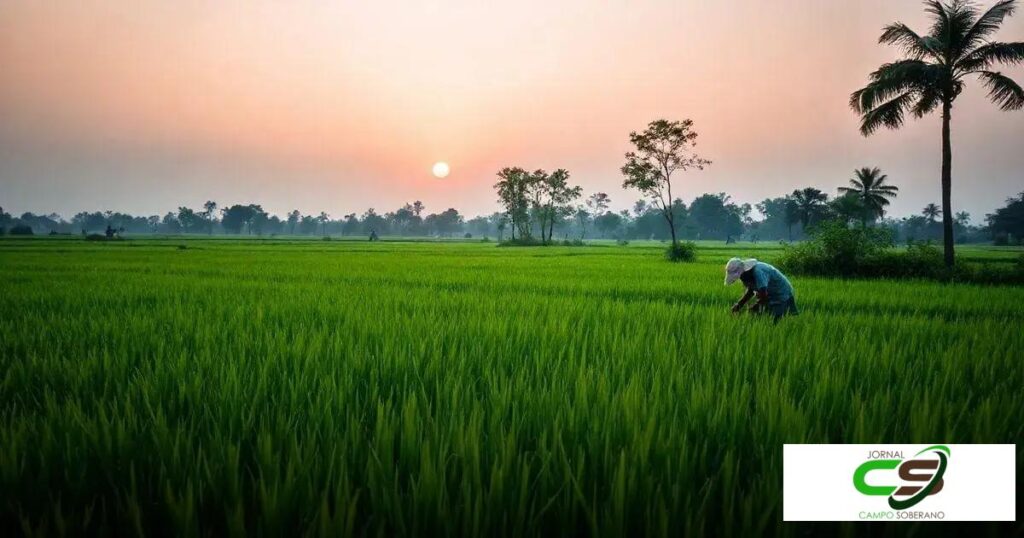
O cultivo de arroz envolve práticas sustentáveis, variedades globais e técnicas de cozimento que garantem a qualidade e os benefícios à saúde. Com inovações como agricultura de precisão e biotecnologia, o futuro do cultivo de arroz promete eficiência e resistência às mudanças climáticas, assegurando uma fonte vital de alimento para a população mundial.
Thank you for reading this post, don't forget to subscribe!Welcome to Planetaarroz, where we dive deep into the fascinating world of rice cultivation. As we explore the history, varieties, and sustainable practices of rice farming, you’ll discover fascinating facts that many people are unaware of. From understanding the science behind rice quality to learning about cooking techniques that enhance flavors, this guide invites you on a journey through the rice universe. Join us as we uncover the health benefits and future of rice cultivation, encouraging you to appreciate this staple food in a whole new light.
Além disso, confira abaixo esses posts:
Preço do Bezerro Nelore e Mestiço Atualizado
Preço da vaca Nelore e Mestiça Atualizado
Além disso, confira abaixo esses posts:
What is Planetaarroz?
Planetaarroz is a unique initiative that explores the vast world of rice cultivation. It encompasses everything from historical practices to modern farming techniques. Programming and educational resources are central to Planetaarroz, aiming to inform and inspire individuals about the rich diversity of rice types and the methods used to grow them.
The name Planetaarroz combines ‘planet’ and ‘arroz’, which means rice in Spanish. This reflects its goal of uniting people across the globe to appreciate and understand the significance of rice as a staple food. Rice is not just a dietary essential; it is intertwined with cultures, traditions, and economies worldwide.
Key Features of Planetaarroz
There are several key features that make Planetaarroz a comprehensive resource:
- Educational Content: Articles, videos, and guides that explain various rice cultivation techniques.
- Global Community: A platform for farmers, researchers, and enthusiasts to share experiences and learn from each other.
- Sustainable Practices: Insights into environmentally friendly rice farming methods that ensure longevity and health of ecosystems.
- Market Trends: Information regarding the latest developments in the rice industry, addressing both consumer trends and supply chain issues.
Through these offerings, Planetaarroz strives to bring attention to the importance of rice and its cultivation, fostering a deeper understanding of this vital crop.
History of Rice Cultivation
The history of rice cultivation dates back thousands of years, with evidence suggesting it began around 10,000 years ago. Ancient civilizations in regions such as China, India, and Southeast Asia were among the earliest to cultivate rice. The domestication of rice transformed these societies, providing a stable food source that fostered population growth and urban development.
Historically, rice cultivation spread along trade routes, reaching Africa and the Americas. Asian rice varieties (Oryza sativa) were primarily cultivated in these regions, while African rice (Oryza glaberrima) developed independently in West Africa. Both varieties played crucial roles in the diets and economies of their respective regions.
Techniques and Innovations
Over centuries, various techniques for growing rice emerged. In Asia, paddies were developed to control water levels for optimal growth. Japan and Thailand are known for their advanced flood-resistant rice strains, which helped minimize crop loss.
During the 18th century, the introduction of rice to the Americas had significant impacts. It was brought by enslaved Africans who were knowledgeable in rice farming. The cultivation of rice in the Southern United States became a prominent agricultural practice, shaping local economies and society.
The Green Revolution
In the mid-20th century, the Green Revolution brought new technologies and hybrid rice varieties to developing countries. Countries like India and the Philippines significantly increased their rice production, ultimately ensuring food security for millions of people.
Today, rice remains a staple food for over half of the world’s population. Global rice cultivation continues evolving through innovations in genetic research and sustainable practices. Understanding the rich history of rice cultivation is crucial for appreciating its place in today’s society.
Global Rice Varieties
There are numerous global rice varieties that reflect the diverse agricultural practices and culinary traditions of different cultures. Each variety has unique characteristics, flavors, and uses that contribute to the world’s rice consumption.
One of the most well-known varieties is Jasmine rice, which is primarily grown in Thailand. It is prized for its fragrant aroma and soft, sticky texture when cooked. Jasmine rice is often used in Thai dishes and is a favorite at many dinner tables around the globe.
Basmati rice is another popular variety, mainly cultivated in India and Pakistan. Known for its long grains and distinctive nutty flavor, basmati rice is essential in many Indian dishes, such as biryani and pilaf. Its unique aroma and fluffy texture make it a preferred choice for festive and everyday meals.
Short Grain Varieties
Short grain rice varieties, such as Arborio rice, are commonly used in Italian cuisine, especially for making risotto. Arborio rice is characterized by its high starch content, which gives risotto its creamy texture. Other short grain varieties include Sushi rice, which is sticky and perfect for making sushi rolls.
Glutinous Rice
Glutinous rice, also known as sticky rice, is primarily grown in Southeast Asia. This variety is commonly used in desserts and traditional dishes, such as mochi in Japan and khao niew in Thailand. Its sticky consistency makes it ideal for pairing with savory or sweet foods.
Specialty and Heirloom Varieties
In addition to popular varieties, there are also specialty and heirloom rice types that are gaining attention. Red and black rice are known for their high nutritional value and rich flavors. These varieties are often used in salads and side dishes, making them a healthy choice.
Understanding the different global rice varieties enables consumers to choose the right type for their cooking needs and appreciate the cultural significance behind each variety. Rice continues to play a vital role in many cuisines, making it essential to explore the diversity of rice available worldwide.
Sustainable Practices in Rice Farming
Sustainable practices in rice farming are essential for maintaining the health of ecosystems and ensuring food security. As the demand for rice continues to grow, it is critical to adopt methods that protect natural resources and promote environmental health.
One effective method is crop rotation. By rotating rice with other crops, farmers can improve soil fertility and reduce pest populations. This practice helps in minimizing the need for chemical fertilizers and pesticides, leading to healthier soils.
Water management is another critical sustainability practice. Traditional rice farming often requires flooded fields, which can waste water and lead to methane emissions. Innovative methods like Alternate Wetting and Drying (AWD) allow farmers to reduce water usage while still growing healthy crops. This technique reduces water waste and lowers greenhouse gas emissions.
Integrated Pest Management (IPM)
Integrated Pest Management (IPM) is an eco-friendly approach that combines biological, cultural, and chemical practices to control pests. By using natural predators and resistant crop varieties, farmers can minimize the use of harmful pesticides. This boosts biodiversity and promotes a balanced ecosystem.
Organic Farming
Organic farming is growing in popularity as more consumers seek healthier and environmentally friendly options. Organic rice is produced without synthetic pesticides or fertilizers, relying instead on natural methods to maintain soil health and control pests. This practice not only benefits the environment but also offers consumers a healthier product.
Community Involvement
Involving the local community in sustainable agricultural practices is vital. Farmers can share knowledge and resources, creating a supportive network that promotes sustainability. Educational programs about sustainable rice farming encourage environmentally conscious practices among community members.
By embracing these sustainable practices in rice farming, we can ensure that rice production is efficient, environmentally friendly, and beneficial for future generations. Adopting advanced methods not only meets current demand but also fosters a healthier planet for all.
The Science Behind Rice Quality
The science behind rice quality involves understanding various factors that contribute to the texture, flavor, and nutritional value of rice. Several elements come into play, including genetics, growing conditions, and post-harvest processing.
Genetics play a crucial role in determining the quality of different rice varieties. Breeding programs focus on selecting traits that enhance yield, aroma, and cooking characteristics. For instance, some varieties are bred specifically for their sticky texture, making them ideal for sushi or sticky rice dishes.
Soil health is another important factor. Healthy soil promotes nutrient uptake, which directly affects the quality of the rice. Farmers who use organic and sustainable practices improve soil health, resulting in more nutritious rice. Fertilization methods can also significantly impact quality. The right balance of nitrogen, phosphorus, and potassium is essential for optimal growth.
Environmental Conditions
The environmental conditions during the growing season greatly influence rice quality. Temperature, rainfall, and sunlight all play a part. For instance, rice that matures in a sunny environment typically has a higher amylose content, resulting in firmer cooked rice.
Harvesting and Post-Harvest Handling
Harvesting methods and timing are also vital to maintaining rice quality. When rice is harvested at the right time, it ensures proper moisture content and minimizes damage to the grains. Proper post-harvest handling, including drying and storage, is essential to prevent spoilage and preserve quality.
Rice quality is also assessed through tests and standards that measure factors like grain size, shape, color, and aroma. High-quality rice is typically free from defects and has a pleasing appearance. The importance of quality in rice cannot be overstated, as it affects everything from cooking results to consumer preferences.
Understanding the science behind rice quality helps farmers and producers optimize their practices to ensure the best possible product for consumers, enhancing the overall rice experience.
Cooking Techniques for Perfect Rice
Cooking rice perfectly requires understanding the techniques that enhance texture and flavor. Each technique varies by rice type, ensuring the best outcome for noodles, grains, or sushi.
1. Rinsing the Rice: Always rinse rice before cooking to remove excess starch. This helps prevent clumping and results in fluffier rice. Use cold water to rinse until it runs clear.
2. The Right Water Ratio: Different rice types require different water ratios. Typically, long-grain white rice uses a 1:2 ratio (1 cup rice to 2 cups water), while short-grain rice might need 1:1.5. Always check the package instructions for specific guidance.
3. Cooking Methods
Cooking methods can vary; here are a few popular techniques:
- Stovetop Cooking: Combine rinsed rice and water in a pot, bring to a boil, cover, and reduce heat to low. Cook for the recommended time without lifting the lid.
- Rice Cooker: For precise cooking, a rice cooker is a great option. Simply add rinsed rice and the correct water ratio, turn it on, and let it cook.
- Oven Baked: Preheat the oven to 375°F (190°C). Place rinsed rice and water in an oven-safe dish, cover with foil, and bake for 25-30 minutes until water is absorbed.
4. Steaming
Steaming is another technique, especially for sticky rice. Place soaked rice in a bamboo steamer over boiling water for 30-45 minutes. This method is commonly used for dishes like dim sum.
5. Let it Rest
After cooking, let the rice rest for 5-10 minutes with the lid on. This allows steam to finish the cooking process, making it fluffier. Finally, use a fork to gently fluff the rice before serving.
Each method enhances the unique characteristics of different rice types, allowing you to create perfect, delicious dishes.
Health Benefits of Rice
Rice is not only a staple food worldwide but also offers many health benefits. It provides essential nutrients and can contribute to a balanced diet.
1. Energy Source: Rice is a great source of carbohydrates, which are the body’s primary energy source. Eating rice gives you the fuel you need for daily activities and exercise.
2. Gluten-Free: For people with gluten intolerance or celiac disease, rice is a perfect food choice as it is naturally gluten-free. This allows individuals to enjoy a wide variety of meals without discomfort.
3. Heart Health: Whole grain rice, such as brown rice, is rich in fiber, which can help lower cholesterol levels and reduce the risk of heart disease. A heart-healthy diet is essential for overall well-being.
4. Nutrient-Rich
Rice contains essential vitamins and minerals. For example, brown rice is high in magnesium, which promotes muscle and nerve function, and phosphorous, which helps build strong bones.
5. Rich in Antioxidants
Many rice varieties, particularly colored rice such as black and red rice, are rich in antioxidants. These compounds help fight free radicals in the body, which can reduce the risk of chronic diseases.
6. Digestive Health
Rice is easy to digest and can help soothe the stomach. It is often recommended for people recovering from gastrointestinal issues.
7. Suitable for All Ages: Rice is a versatile food that is suitable for people of all ages, including babies and elderly individuals. It can be prepared in many ways to meet different dietary needs.
Incorporating rice into a healthy diet can provide many benefits and help improve overall health. Understanding these health benefits of rice allows consumers to make informed choices about this essential food.
Future of Rice Cultivation
The future of rice cultivation is evolving rapidly due to advancements in technology, changes in climate, and growing global demands. Farmers and researchers are constantly seeking innovative methods to improve efficiency and sustainability in rice production.
1. Precision Agriculture: The adoption of precision agriculture is transforming rice farming. Using data and technology, farmers can optimize water, fertilizer, and pesticide use. This approach ensures that each crop receives exactly what it needs, reducing waste and increasing yields.
2. Climate-Resilient Varieties: As the climate changes, developing rice varieties that can withstand extreme weather conditions is essential. Breeding programs are focused on creating varieties that are drought-resistant, flood-tolerant, and adaptable to various environments.
3. Biotechnology: Advances in biotechnology are contributing to the future of rice. Genetically modified organisms (GMOs) can enhance traits such as yield and pest resistance. Ongoing research aims to create rice strains that can grow in saline soils, opening new areas for cultivation.
4. Sustainable Practices
Sustainability will be crucial for the future of rice cultivation. Implementing practices such as crop rotation, integrated pest management, and organic farming will help reduce environmental impact and promote biodiversity.
5. Automation and Robotics
Automation is expected to play a major role in rice farming. Robotic systems can assist with tasks such as planting, watering, and harvesting. These technologies can save time, reduce labor costs, and improve overall efficiency.
6. Community Engagement and Education
Engaging farming communities in decision-making and educating them about new technologies will be vital. Training programs can empower farmers with the knowledge and skills needed to adopt innovative practices.
As demand for rice continues to grow, these advancements will help ensure that rice cultivation remains productive and sustainable. Adapting to future challenges while harnessing new technologies will be key to supporting global food security.
Embracing the Future of Rice Cultivation
Rice cultivation is evolving through innovative practices and technologies that promise a more sustainable and efficient future. From precision agriculture to climate-resilient varieties, the advancements in this field are essential for meeting the growing global demand for rice.
Sustainable practices, biotechnology, and automation will play crucial roles in shaping the future of how rice is grown. Engaging communities and sharing knowledge ensures that farmers are equipped to embrace these changes.
As we continue down this path, it is vital to recognize the importance of rice not just as a staple food, but as a key component in global food security and environmental health. The journey through the universe of rice cultivation is just beginning, and the potential for innovation is limitless.
FAQ – Perguntas frequentes sobre cultivo de arroz
Quais são os principais benefícios do cultivo de arroz?
O cultivo de arroz fornece uma fonte vital de energia e nutrientes, sendo uma base alimentar para mais da metade da população mundial.
Como o arroz pode ser cultivado de forma sustentável?
Práticas como rotação de culturas, gerenciamento de água eficiente e uso de variedades resistentes ao clima ajudam a manter a sustentabilidade no cultivo de arroz.
Quais técnicas são melhores para cozinhar arroz?
Rinsar o arroz, usar a proporção correta de água e deixar descansar após o cozimento são técnicas chave para obter arroz perfeito.
Que tipos de arroz são mais saudáveis?
Variedades como arroz integral, arroz vermelho e arroz preto são ricas em nutrientes e antioxidantes, oferecendo benefícios adicionais à saúde.
Como a tecnologia está mudando o cultivo de arroz?
Tecnologias como agricultura de precisão, biotecnologia e automação estão melhorando a eficiência e a sustentabilidade no cultivo de arroz.
Saiba Mais Sobre Dr. João Maria
Dr. João Silva é um renomado zootecnista especializado em pecuária de leite, com mais de 2 Décadas de experiência no setor. Com doutorado pela Universidade Federal de Viçosa e diversas certificações, Também é autor de inúmeros artigos científicos e livros sobre manejo e produção de leite.
Dr. João é reconhecido por sua contribuição significativa à indústria e seu compromisso com a qualidade e a inovação na produção leiteira.